August 28, 2026
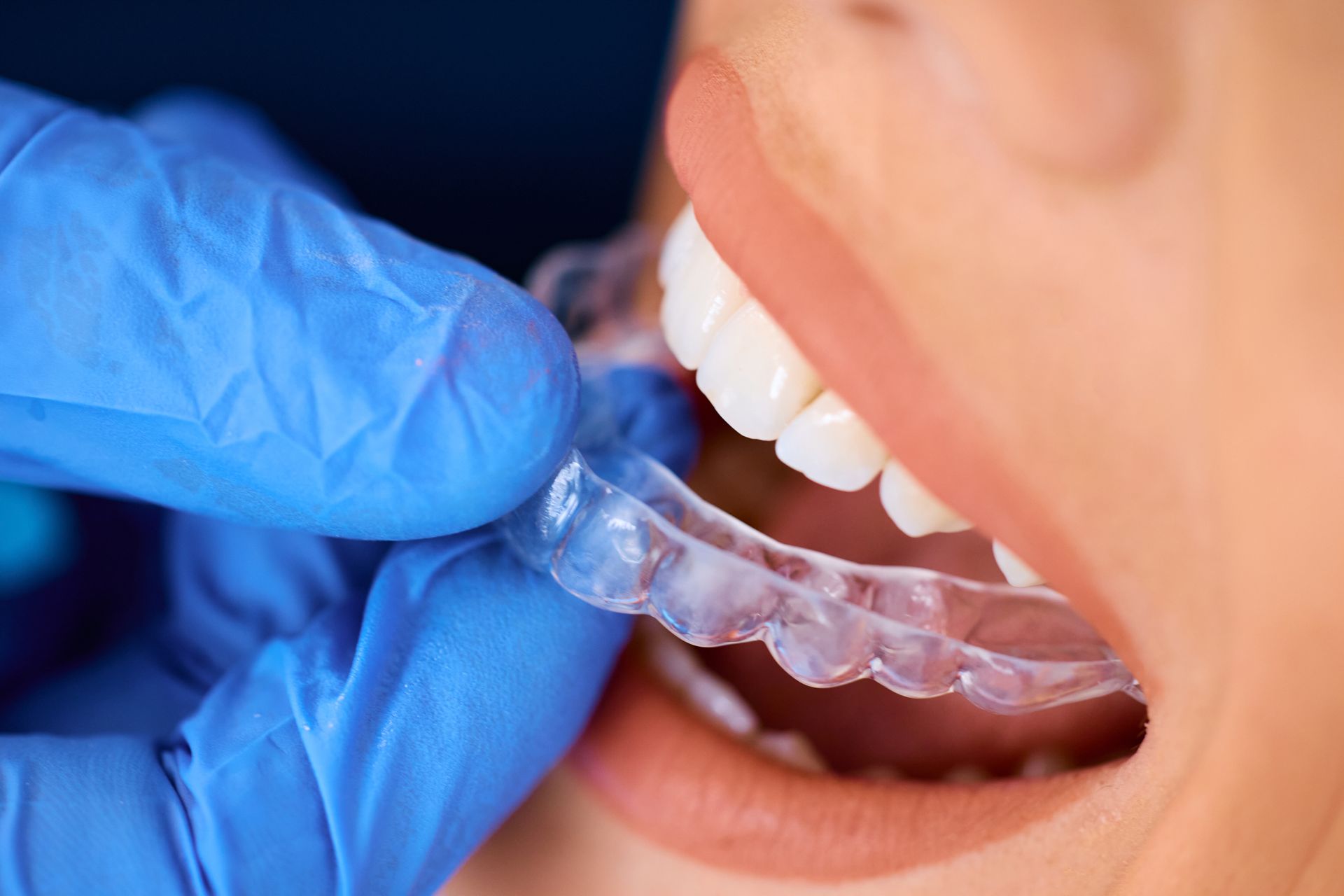
At Gateway Family Dentistry , we understand that protecting your teeth goes beyond brushing and flossing. Many patients grind or clench their teeth, especially while sleeping, without realizing it. Over time, teeth grinding , or bruxism, can cause tooth damage, jaw discomfort, headaches, and other oral health concerns. For some patients, a night guard can protect their smile. Detecting the signs of teeth grinding and how night guards work can help you decide when extra protection may benefit your oral health. What Is Teeth Grinding? Teeth grinding occurs when you clench or shift your teeth, often unconsciously. Some people grind during the day, but sleep-related grinding is especially common because you may not realize it. Occasional grinding may not cause problems, but frequent or intense grinding can put excessive pressure on your teeth and jaw. Stress, sleep habits, and other factors may contribute to bruxism. Signs You May Be Grinding Your Teeth Because teeth grinding often happens during sleep, many patients do not know they are doing it. Your dentist may notice signs during a routine dental examination. Common symptoms and warning signs can include: Worn, flattened, or chipped teeth Increased tooth sensitivity Jaw soreness or tightness Morning headaches Facial discomfort Tooth fractures or damage Tenderness when chewing Increased jaw tension If you often wake up with a sore jaw or notice changes in your teeth, talk with your dentist about whether teeth grinding is causing the problem. How Can a Night Guard Help? A night guard for teeth grinding is a protective retainer worn over the teeth while you sleep. It establishes a barrier between the upper and lower teeth, decreasing direct contact from clenching and grinding. Night guards shield each tooth from extensive grinding and may reduce some pressure on the jaw. They don't eliminate the cause of grinding, but they provide an important layer of protection. Do You Need a Night Guard? Not everyone who grinds their teeth needs a night guard. Your dentist can evaluate your teeth, gums, jaw, and symptoms to decide if one is appropriate. Your dentist has the technology to design a custom night guard that fits your mouth comfortably and securely. A well-fitted guard offers better comfort and protection than a generic one. If you already have signs of significant tooth wear, frequent jaw discomfort, or other bruxism-related symptoms, your dentist may recommend a night guard as part of your personalized oral health plan. Protect Your Smile With Regular Dental Care Teeth grinding can happen quietly, but its effects get noticeable over time. Regular dental visits let your dentist monitor your teeth for wear and catch problems early. At Gateway Family Dentistry , we are committed to helping patients protect their teeth through personalized preventive care and education. If you have jaw discomfort, tooth sensitivity, or other signs of teeth grinding, we can help find the best way to protect your smile. If you think you may be grinding your teeth at night or would like to learn whether a night guard is right for you, contact Gateway Family Dentistry to schedule an appointment. We are here to help you maintain a healthy, comfortable smile.