
Gateway Family Dental Blog

10 Reasons You Should Get Your Teeth Professionally Whitened
There are many reasons people might choose to whiten their teeth—to make them look whiter, feel more confident, or simply because it’s the newest beauty trend. Whatever your reason, there are also many other options out there you can choose from.


If you’re looking to get your smile whiter and brighter, here are 10 reasons you should consider having your teeth professionally whitened.


1. Brighter Teeth Make You More Attractive


There’s no escaping it—your smile is one of your most important assets. Because we spend so much time talking and smiling, people base a lot of their first impressions on our pearly whites. People are more likely to find you attractive if your teeth are bright and white. So, if you want to look your best in front of that special someone or a future employer, getting professionally whitened teeth is definitely worth considering.


2. They Improve Your Overall Health


The whiter your teeth, the better you look and feel. It can boost your confidence and help you carry yourself with more poise. When you look good, you feel good! That healthy glow can have a positive impact on your well-being. Researchers at Northwestern University found that people who had whiter teeth were less likely to experience depression than those with stained or yellowed teeth. Another study from researchers at Columbia University found that people who had white teeth were more likely to be outgoing and friendly than those who didn’t—and even perceived as being smarter!


3. They Can Boost Confidence


Did you know your smile is one of your most potent tools for instantly boosting self-confidence? And it’s not just a feel-good illusion. Research shows that improving your smile can alter perception, influence how others perceive you and even change behavior. In one study, participants were shown images of individuals with either crooked or straight teeth. They judged individuals with crooked or stained teeth as less trustworthy than those whose pearly whites were in tip-top shape, which led them to make more selfish decisions.


4. Professional Whitening is Safer Than Bleaching at Home


While both techniques can dramatically whiten your teeth, they are key differences. Professional whitening is safer than bleaching at home. Additionally, you can consult with a dental professional before deciding whether or not to go through with it. It’s also more cost-effective: A professional whitening treatment will cost less than several sessions of bleaching at home.


5. The Results Last Longer


The American Dental Association reports that your results will start to fade about two to four weeks after treatment with at-home teeth whitening. In contrast, professional teeth whitening lasts up to three years—that’s a long time before you consider getting them re-whitened. Professional teeth whitening is also more effective than over-the-counter options: according to a study in General Dentistry, professionally applied bleaching trays produced an average of 3.5 shades of whiter teeth; over-the-counter products produced an average of 1.7 shades of whiter teeth.


6. There are Newer Techniques Available Today


The most noticeable difference between professional teeth whitening and at-home techniques is that in-office teeth whitening typically use a higher concentration of hydrogen peroxide (up to 12%) than at-home products, which tend to use lower concentrations (3%–8%). It makes a big difference in results—professional whitening can produce noticeably whiter teeth after just one visit. With newer techniques and state-of-the-art practices, professional teeth whitening has become a must in your dental procedure essentials.


7. It isn’t as Expensive as You Think


When dentists recommend professional whitening, the first thing people say is how much will that cost? Contrary to popular belief, you don’t have to spend much money to get whiter teeth. Some dentists may offer a free consultation before deciding if it’s worth paying for professional whitening. Also, be sure to check out your dental insurance benefits—you may be able to save some cash on an at-home system with your regular cleanings.


8. It’s Totally Painless!


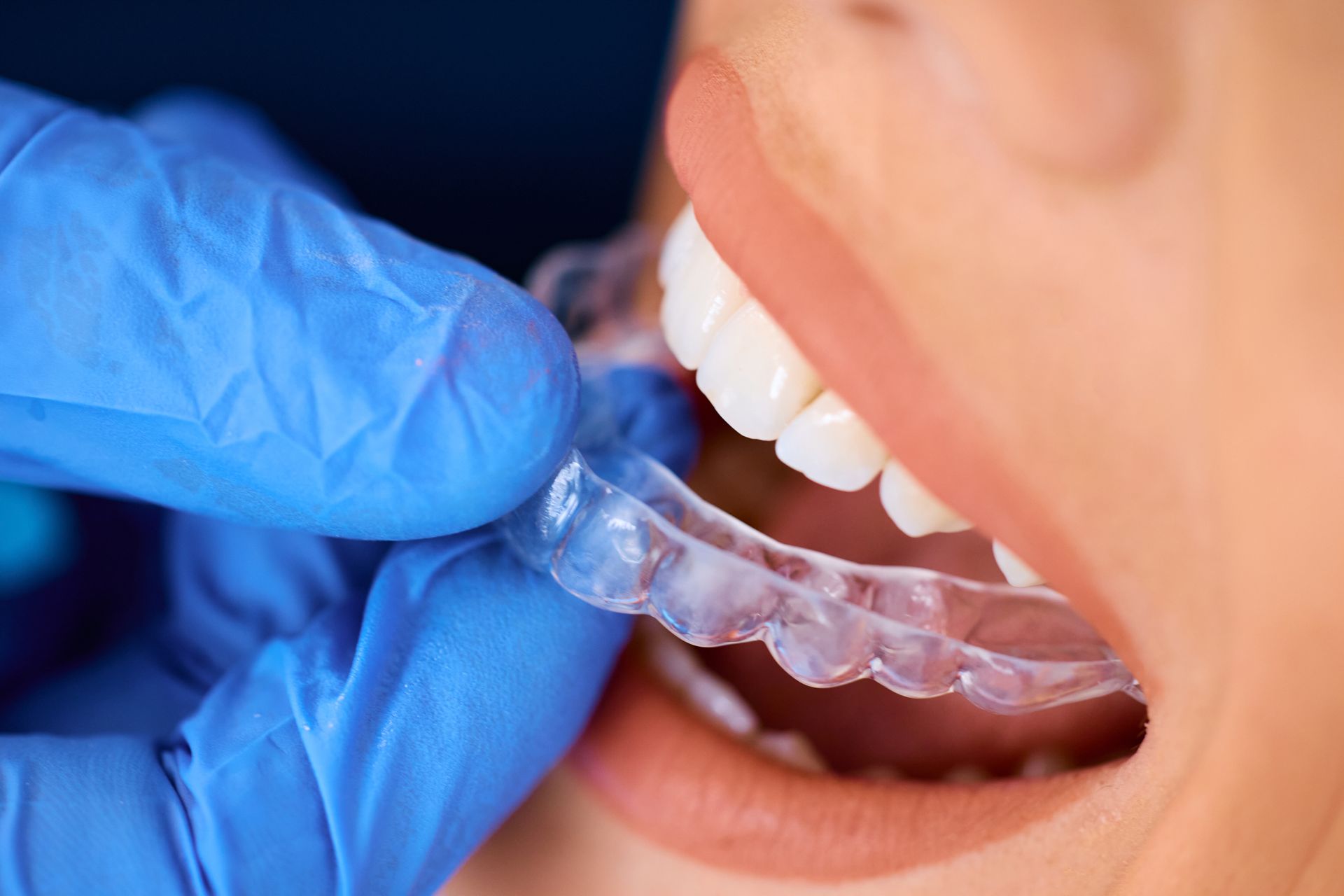
Many people shy away from professional teeth whitening because they think it will be painful or embarrassing, but rest assured that you won’t feel any pain during treatment. You’ll only need to wear your custom trays while you sleep. Plus, with some offices offering whitening parties where several patients can sit together in one room at once, you can make it fun! The ingredients used in professionally administered teeth-whitening treatments have been thoroughly tested for safety by the FDA. The ingredients used by dentists on patients are no different than those available over-the-counter—they just come with a higher concentration of active ingredients, which makes them more effective.


9. Everyone Will Notice (in a Good Way!)


Having a dazzling smile is never bad, especially when people stop to look at it. A professionally whitened smile can go a long way in your personal and professional life. The more confident you feel about your teeth, the more confident you’ll be about everything else. And that’s always a good thing! In contrast, having a dirty or stained set of teeth can drive people away from you, and can also cause damage to your reputation. Moreover, it can keep people from coming closer to you and start engaging in a conversation. Whitening teeth will make it seem as if your teeth are spotless and get rid of that yellow shade, giving off the impression that your mouth is always clean.


10. Painlessly Brighten up Your Smile Today.


Dental-whitening products are designed to lighten your teeth, but not all products are made equally. Many of these products contain harsh chemicals that can damage tooth enamel and cause gum irritation. The solution? Hire a dental professional for professional teeth whitening services. These treatments use custom trays containing bleaching gel (powdered peroxide) applied directly to your teeth at a dentist’s office. This process is fast—lasting about an hour—and it doesn’t require you to be in pain or even leave your home. And best of all, you get results that last up to 12 months!


Final Words


When you hear of whiter teeth, you may think it’s something only celebrities and models can afford. However, suppose your smile is stained or discolored by tobacco, wine, coffee, or tea. In that case, there are plenty of great reasons to get a professional tooth whitening treatment done at a cosmetic dentistry office.


If you have questions about dental hygiene practices for yourself or your family, head over to gatewayfamilydentist.com to get more information about dental hygiene, or contact them today to chat with one of their experts!

Read More From Gateway Family Dentistry
July 31, 2026
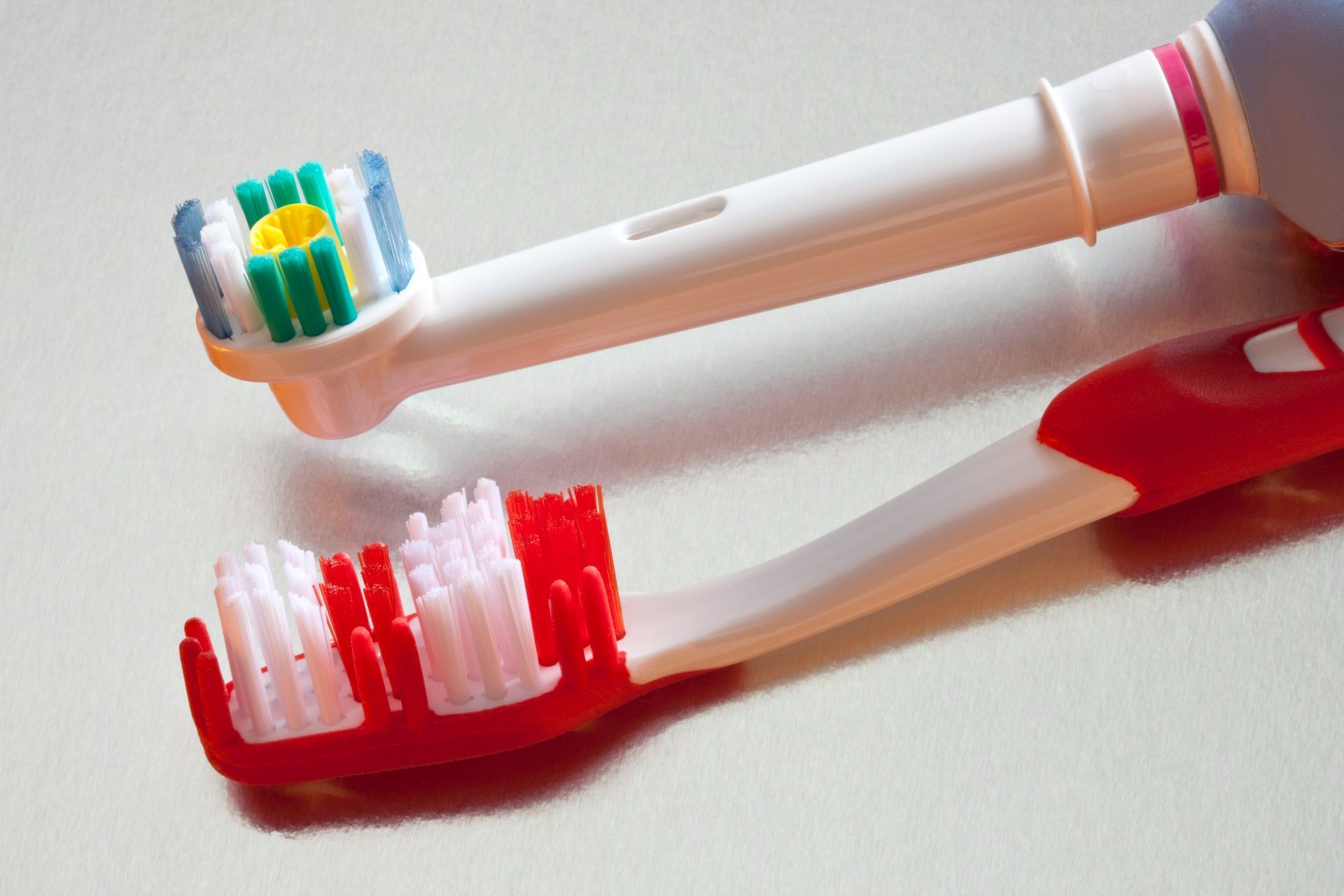
At Gateway Family Dentistry , we recognize that selecting the right toothbrush is essential for oral health. Many patients ask whether electric toothbrushes are better than manual ones. Both can clean teeth effectively when used correctly, but dentists often recommend electric toothbrushes for certain patients because they make brushing easier, more consistent, and more effective. Knowing the differences between electric and manual toothbrushes will help you choose the best option for your oral health. Electric vs. Manual Toothbrushes: What’s the Difference? Both electric and manual toothbrushes remove plaque, food particles, and bacteria. The main difference is how the brushing motion is generated. A manual toothbrush relies on your brushing technique, while an electric toothbrush uses powered movements, such as rotating, oscillating, or vibrating, to clean your teeth. For many, an electric toothbrush makes it easier to maintain proper brushing habits and reach areas that may be missed with a manual brush. Benefits of Using an Electric Toothbrush More Consistent Brushing Motion A key advantage of electric toothbrushes is their consistent brushing motion. Many people do not brush long enough or use proper technique with manual brushes. Electric toothbrushes provide steady movements that can improve plaque removal. Some models include built-in timers to help ensure you brush for the recommended two minutes, supporting healthy brushing habits. Helpful for People With Limited Mobility Electric toothbrushes are very helpful for those with limited hand, wrist, or arm mobility. The powered brush head reduces effort, making brushing easier for people with arthritis or other dexterity challenges. Improved Plaque Removal Research shows that some electric toothbrushes may remove more plaque and minimize the risk of gingivitis compared to manual brushes when used correctly. Regular plaque removal is important to stop oral health issues from happening. Pressure Control Features Many electric toothbrushes have pressure sensors that alert you if you brush too hard. Excessive pressure can irritate gums and wear down enamel. Pressure sensors help protect your teeth and encourage better brushing habits. Are Manual Toothbrushes Still Effective? Yes, a manual toothbrush can still clean effectively when used properly. The most important factors are your technique, brushing frequency, and reaching all areas of your mouth. When using a manual toothbrush, dentists recommend a soft-bristled brush and gentle circular motions. Avoid brushing too aggressively to protect your gums and enamel; focus on thorough, gentle cleaning. What Do Dentists Recommend? At Gateway Family Dentistry , we believe the best toothbrush is the one you use consistently and correctly. For those who struggle with technique, need extra help removing plaque, or possess specific oral health concerns, an electric toothbrush may be a good choice. A manual toothbrush can also be effective when combined with proper brushing habits and regular dental care. Your dentist can help you make the best choice based on your needs, goals, and lifestyle. Regular Dental Care Keeps Your Smile Healthy Whether you use an electric or manual toothbrush, daily brushing and flossing are essential for a healthy smile. Regular dental checkups and professional cleanings help remove buildup, prevent issues, and detect concerns early. At Gateway Family Dentistry , our team is devoted to helping patients keep up with healthy smiles through personalized preventive care and education. We are happy to answer your questions about toothbrushes, brushing techniques, and oral health protection. If you are due for a dental visit or would like customized advice on improving your oral hygiene, contact Gateway Family Dentistry to schedule an appointment. We are here to help you achieve a healthier smile. 
June 30, 2026
At Gateway Family Dentistry, we know that halitosis can impact your confidence and how you feel day to day. Occasional bad breath happens to everyone, but if it sticks around, it could point to a more serious oral health problem. Studying what causes bad breath and how to treat it can help you keep your breath fresh and your smile healthy. Common Causes of Bad Breath Bad breath can have many causes, from everyday habits to dental problems. Figuring out what’s behind it is the first step to finding the right solution. Poor Oral Hygiene Not brushing and flossing well enough is a major cause of bad breath. When food stays in your mouth, bacteria can grow and create bad smells. Plaque that builds up on your teeth and gums can also make bad breath stick around. Dry Mouth Saliva helps clean your mouth by washing away food and bacteria. If you don’t have enough saliva, bacteria can grow faster and cause bad breath. Dry mouth can occur while you sleep, from certain medicines, or due to certain health conditions. Gum Disease Persistent halitosis may point to gum disease. Bacteria under the gums produce toxins and odors that cause halitosis. Treating gum problems early can help keep your mouth healthy and your breath fresh. Certain Foods and Beverages Foods such as garlic, onions, and strong spices can cause temporary bad breath. Coffee and alcohol can also contribute to drying out your mouth. These smells usually go away, but good oral care can help reduce them. Ongoing mouth odor can increase the risk of gum disease, which may contribute to chronic bad breath. Quitting tobacco use benefits not only your breath but also your overall health. How to Treat Bad Breath The good news is that most bad breath can get better with good oral care and healthy habits. Brush and Floss Daily Brushing your teeth twice a day and flossing daily removes plaque that causes bad smells. Don’t forget to brush your tongue, since bacteria often build up there. Maintaining water intake throughout the day helps maintain saliva secretion and washes away bacteria. Maintaining hydration is especially important for individuals who experience dry mouth. Schedule Regular Dental Checkups Routine dental checkups and cleanings help prevent bad breath. Dentists can get rid of bacterial buildup that brushing can’t reach and spot signs of gum disease or other problems that may be causing halitosis. Antibacterial mouthwashes can briefly reduce bacteria and freshen breath. However, antibacterial mouthwashes can help reduce bacteria and freshen your breath temporarily. But remember, they should be used in addition to regular brushing and flossing, not instead of them. If your oral hygiene is poor, it may be time to visit your dentist. Chronic halitosis can sometimes be linked to gum disease, tooth decay, dry mouth, or other medical concerns that require specialist assessment. At Gateway Family Dentistry, we’re here to help you keep your smile healthy and confident with preventive care and helpful advice. Seeing us regularly lets us catch problems early and give you tips that fit your long-term oral health needs. If you’re dealing with persistent bad breath or need a dental checkup, give our office a call to schedule an appointment. We’re here to help you get fresher breath and a healthier smile.
How Diet Affects Your Teeth: Foods That Help and Harm Your Smile
May 31, 2026
At Gateway Family Dentistry, we know maintaining a healthy smile involves more than brushing and flossing. The foods and drinks you consume daily play a major role in your oral health.
Show More