
Gateway Family Dental Blog

Do you feel like you need a brighter and better smile? Then veneers might be the solution for you. Veneers are tooth-like shells that are installed on the visible parts of your teeth to correct undesirable features. Veneers are made from either porcelain or composite resin materials. They are used to remedy several cosmetic issues like color, shape, and the size of teeth.


Veneers are mainly cosmetic, and they cannot replace natural teeth. Furthermore, dental veneers are permanent so you cannot reverse the procedure. Getting Veneers is a big decision, so we compiled some key information to help you determine if this procedure is right for you.


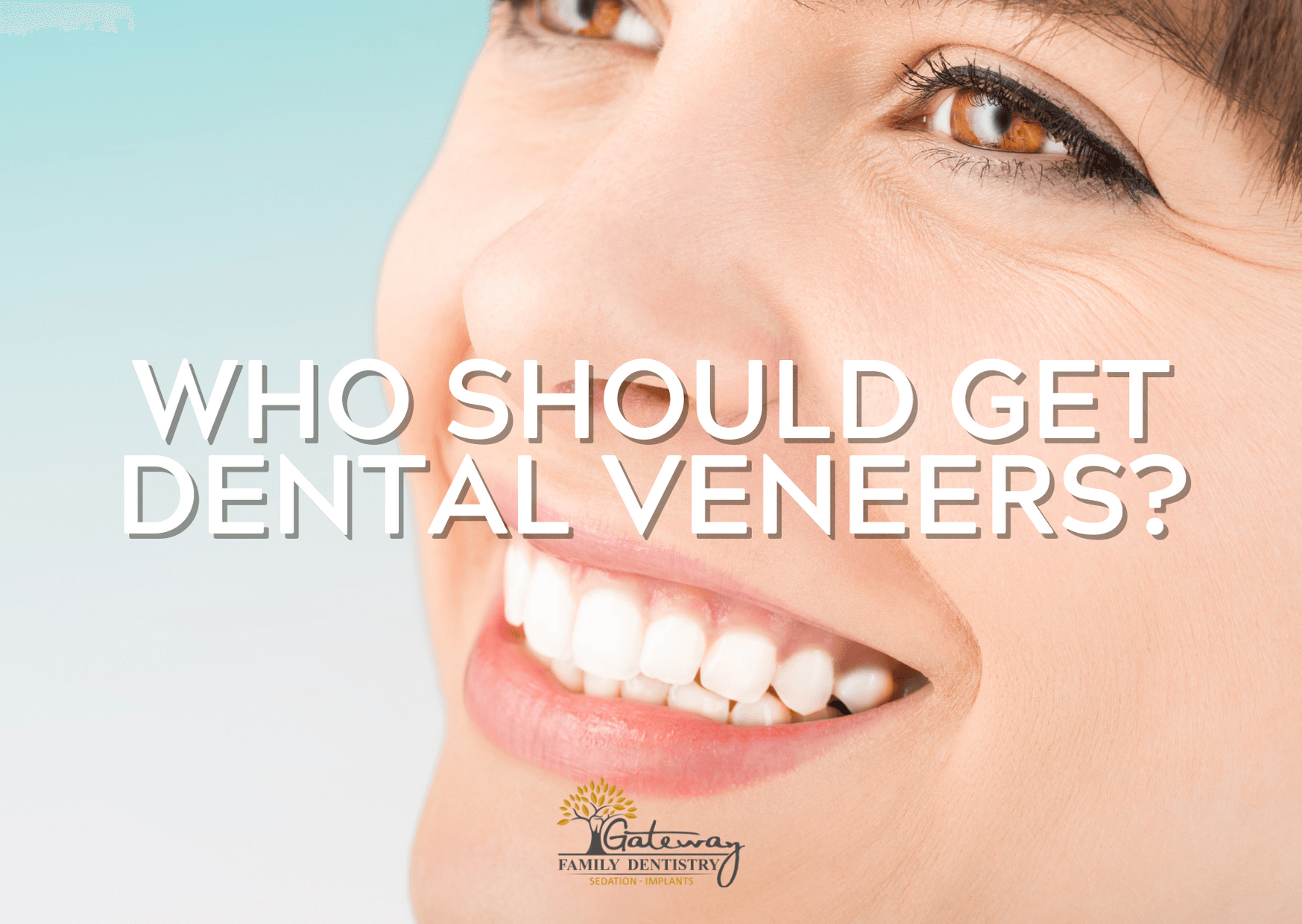
Who Should Get Dental Veneers?

Discolored teeth result from a root canal, prolonged use of some medicine (tetracycline), and excessive fluoride. If you do not like the color of your teeth, you can whiten them by getting veneers. Veneers are so similar to natural teeth that it is difficult to tell the difference.

Veneers are used to fix broken teeth. You can consider getting veneers for your chipped or broken teeth, especially if the teeth are very visible and make you uncomfortable. It is possible to get veneers only for the affected teeth which are visible if you do not want to cover all your teeth.


Veneers also can be used to enlarge your teeth if you feel like they are smaller than usual. Veneers can help you achieve your desired teeth size and symmetry so you can smile with confidence.


Veneers are also used by people with wide gaps in their teeth. If you do not like that your teeth have a noticeable gap between them, you can get veneers to close the space between the affected teeth.


When to Avoid Veneers

There is no age limit for getting veneers, but dentists recommend the age of 16 for females and 18 for male patients as a matter of practice.


You should avoid getting veneers if you have unhealthy teeth. Dentists will usually carry out an oral health examination prior to clearing a patient to get veneers. The oral health exam is carried out to check for tooth decay or active gum disease. These issues might affect the outcome of the veneers or lead to infections. If you have oral health issues, you should treat them first before getting veneers. Here are a few reasons veneers might not be right for you:


●    If your teeth are weakened due to decay, fracture, or large dental fillings

●    If you barely have any enamel left on the surface of your teeth

●    If you grind your teeth, veneers can only last if you get a splint or retainer to protect them from breaking or chipping.


Finally, veneers are not a good option if you have a history of dental trauma that led to extreme damage to the teeth. Implanting veneers on extremely damaged teeth might cause pain or infection. We recommend contacting a dental professional to ensure veneers are the best option for you.


How Can You Get Veneers?


Getting veneers is the best way to correct features that you do not like about your teeth. They are almost identical to teeth and they last a long time. You can have them customized in terms of color, shape, and size to fit your preferences. Porcelain veneers are resistant to stains and are tolerated well by the gums. For many, veneers are a great option to improve your confidence and feel better about your smile.


Looking to learn more about veneers? Reach out to us at Gateway Family Dentistry to see if veneers are right for you.

Read More From Gateway Family Dentistry

June 30, 2026
At Gateway Family Dentistry, we know that halitosis can impact your confidence and how you feel day to day. Occasional bad breath happens to everyone, but if it sticks around, it could point to a more serious oral health problem. Studying what causes bad breath and how to treat it can help you keep your breath fresh and your smile healthy. Common Causes of Bad Breath Bad breath can have many causes, from everyday habits to dental problems. Figuring out what’s behind it is the first step to finding the right solution. Poor Oral Hygiene Not brushing and flossing well enough is a major cause of bad breath. When food stays in your mouth, bacteria can grow and create bad smells. Plaque that builds up on your teeth and gums can also make bad breath stick around. Dry Mouth Saliva helps clean your mouth by washing away food and bacteria. If you don’t have enough saliva, bacteria can grow faster and cause bad breath. Dry mouth can occur while you sleep, from certain medicines, or due to certain health conditions. Gum Disease Persistent halitosis may point to gum disease. Bacteria under the gums produce toxins and odors that cause halitosis. Treating gum problems early can help keep your mouth healthy and your breath fresh. Certain Foods and Beverages Foods such as garlic, onions, and strong spices can cause temporary bad breath. Coffee and alcohol can also contribute to drying out your mouth. These smells usually go away, but good oral care can help reduce them. Ongoing mouth odor can increase the risk of gum disease, which may contribute to chronic bad breath. Quitting tobacco use benefits not only your breath but also your overall health. How to Treat Bad Breath The good news is that most bad breath can get better with good oral care and healthy habits. Brush and Floss Daily Brushing your teeth twice a day and flossing daily removes plaque that causes bad smells. Don’t forget to brush your tongue, since bacteria often build up there. Maintaining water intake throughout the day helps maintain saliva secretion and washes away bacteria. Maintaining hydration is especially important for individuals who experience dry mouth. Schedule Regular Dental Checkups Routine dental checkups and cleanings help prevent bad breath. Dentists can get rid of bacterial buildup that brushing can’t reach and spot signs of gum disease or other problems that may be causing halitosis. Antibacterial mouthwashes can briefly reduce bacteria and freshen breath. However, antibacterial mouthwashes can help reduce bacteria and freshen your breath temporarily. But remember, they should be used in addition to regular brushing and flossing, not instead of them. If your oral hygiene is poor, it may be time to visit your dentist. Chronic halitosis can sometimes be linked to gum disease, tooth decay, dry mouth, or other medical concerns that require specialist assessment. At Gateway Family Dentistry, we’re here to help you keep your smile healthy and confident with preventive care and helpful advice. Seeing us regularly lets us catch problems early and give you tips that fit your long-term oral health needs. If you’re dealing with persistent bad breath or need a dental checkup, give our office a call to schedule an appointment. We’re here to help you get fresher breath and a healthier smile.
How Diet Affects Your Teeth: Foods That Help and Harm Your Smile
May 31, 2026
At Gateway Family Dentistry, we know maintaining a healthy smile involves more than brushing and flossing. The foods and drinks you consume daily play a major role in your oral health.
Gum Disease and Your Overall Health: What’s the Connection?
May 1, 2026
At Gateway Family Dentistry, we recognize the strong link between oral health and overall wellness. Gum disease is a common, often overlooked...
Show More