
Gateway Family Dental Blog

CareCredit Can Help You Pay for Dental Care
CareCredit to Pay for Dental Care
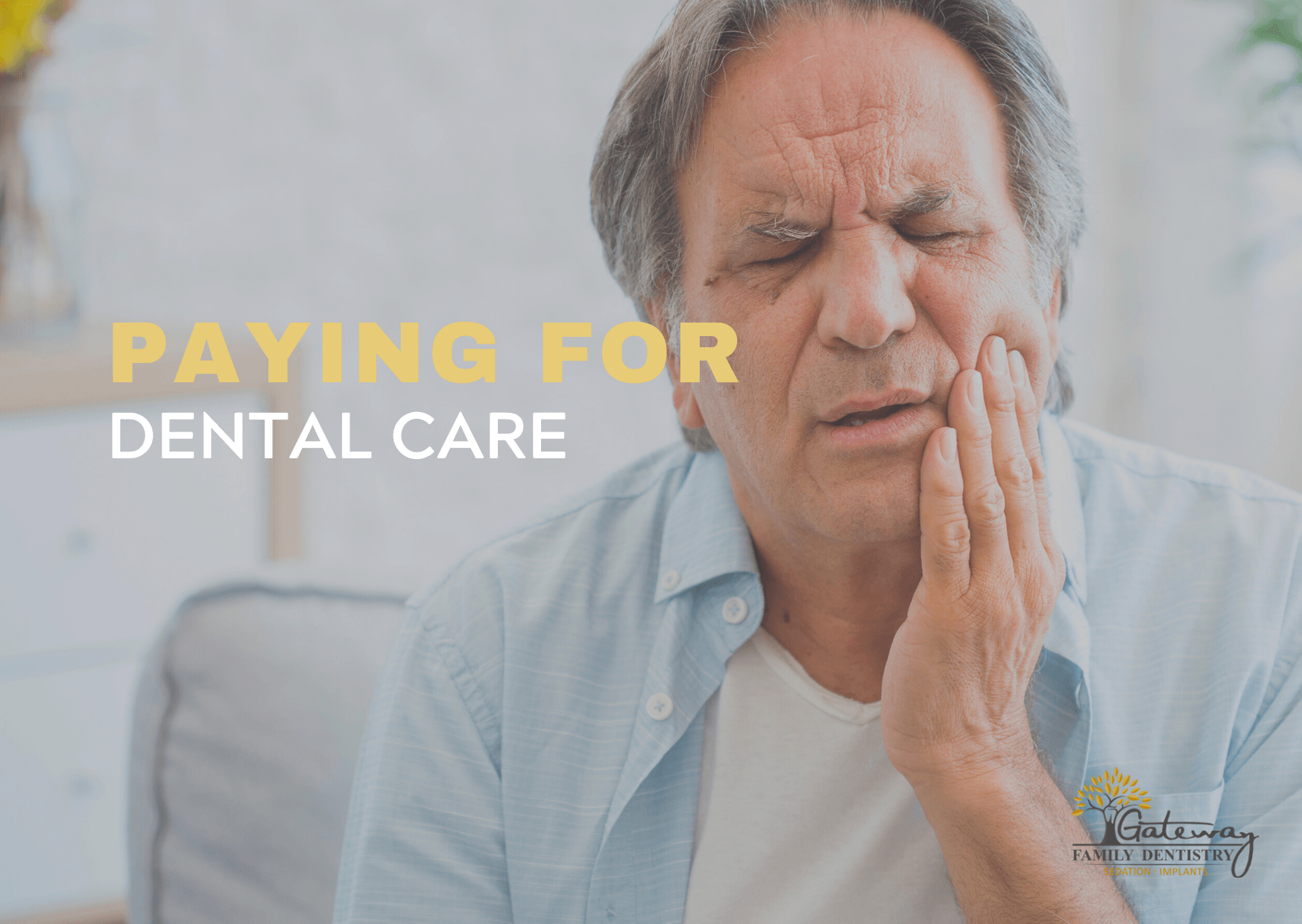
Many people have serious dental issues that affect their appearance, cause pain and can even lead to infection. Unfortunately, many individuals are facing higher out-of-pocket costs for healthcare, while others are underinsured or uninsured altogether. This leads to many people putting off necessary dental treatments, causing serious dental issues to become even worse.

CareCredit can help you if you need dental procedures but don’t have the funds to pay for them upfront. CareCredit will allow to receive the dental care you need and pay for the treatments on a payment plan you can handle. 

Here’s what you should know about this option for paying for dental care. 

What Should You Know About CareCredit?

CareCredit is a healthcare credit card that allows people to pay for their healthcare needs by making monthly payments. 


With CareCredit, patients can pay for the cost of procedures, deductibles, co-insurance, co-pays, prescriptions and other out-of-pocket healthcare and dental costs. 


With CareCredit, your healthcare provider always gets paid within two days of your visit.


CareCredit may also offer promotional financing, sometimes as low as 0 percent, for healthcare purchases over $200. This can come in handy for new CareCredit users who need a more expensive dental procedure immediately. Depending on your financing option, you won’t be charged interest as long as your balance is paid in full within 6, 12, 18 or 24 months. CareCredit also offers financing for longer periods of 36, 48 or 60 months with fixed monthly payments and reduced APR. 


For procedures costing over $1,000, different financing terms may apply so read the fine print carefully. 


According to CareCredit, individuals with certain credit scores are more likely to be approved for the CareCredit card. Use this guide to learn more about credit scores, interest rates and more.

How to Apply for CareCredit

In a survey by the American Association of Dental Office Managers, CareCredit was voted “easiest to use” by members. 


Here’s why: to apply for CareCredit, simply complete CareCredit’s online form and a representative will get in touch with you to take care of the rest. 


If you don’t want to get started online, simply ask your dental office team for help. Gateway Family Dentistry in Murfreesboro is proud to help patients apply for CareCredit in their office. Simply ask our front office administration for more information and help getting started!

Dental Procedures You Can Pay For Using CareCredit

Dental financing at CareCredit covers a wide variety of dental procedures:


  • Preventive Dentistry Procedures: 6-month dental check-ups, teeth cleaning, scaling and root planing, gingivitis prevention, periodontal disease prevention, sealants, fluoride treatments, endodontics, and even mouthguards for sports. 
  • Restorative Dentistry: Root canals, dental implants, dental crowns, orthodontics, and more
  • Cosmetic Dentistry: Veneers, Lumineers, ceramic crowns, Invisalign, head gear, 6-month smile, and more


Gateway Family Dental preventive, cosmetic and restorative dentistry in our Murfreesboro office. We are proud to help patients get the dental care they need on a payment plan that works for them. 

Schedule an Appointment at Gateway Family Dentistry in Murfreesboro, Tennessee

Are you ready to get the dental care you’ve been needing? The compassionate dental care staff at Gateway Family Dentistry in Murfreesboro is here to help. 


Contact us today to learn more or use our online appointment scheduler to get started. 

Read More From Gateway Family Dentistry

June 30, 2026
At Gateway Family Dentistry, we know that halitosis can impact your confidence and how you feel day to day. Occasional bad breath happens to everyone, but if it sticks around, it could point to a more serious oral health problem. Studying what causes bad breath and how to treat it can help you keep your breath fresh and your smile healthy. Common Causes of Bad Breath Bad breath can have many causes, from everyday habits to dental problems. Figuring out what’s behind it is the first step to finding the right solution. Poor Oral Hygiene Not brushing and flossing well enough is a major cause of bad breath. When food stays in your mouth, bacteria can grow and create bad smells. Plaque that builds up on your teeth and gums can also make bad breath stick around. Dry Mouth Saliva helps clean your mouth by washing away food and bacteria. If you don’t have enough saliva, bacteria can grow faster and cause bad breath. Dry mouth can occur while you sleep, from certain medicines, or due to certain health conditions. Gum Disease Persistent halitosis may point to gum disease. Bacteria under the gums produce toxins and odors that cause halitosis. Treating gum problems early can help keep your mouth healthy and your breath fresh. Certain Foods and Beverages Foods such as garlic, onions, and strong spices can cause temporary bad breath. Coffee and alcohol can also contribute to drying out your mouth. These smells usually go away, but good oral care can help reduce them. Ongoing mouth odor can increase the risk of gum disease, which may contribute to chronic bad breath. Quitting tobacco use benefits not only your breath but also your overall health. How to Treat Bad Breath The good news is that most bad breath can get better with good oral care and healthy habits. Brush and Floss Daily Brushing your teeth twice a day and flossing daily removes plaque that causes bad smells. Don’t forget to brush your tongue, since bacteria often build up there. Maintaining water intake throughout the day helps maintain saliva secretion and washes away bacteria. Maintaining hydration is especially important for individuals who experience dry mouth. Schedule Regular Dental Checkups Routine dental checkups and cleanings help prevent bad breath. Dentists can get rid of bacterial buildup that brushing can’t reach and spot signs of gum disease or other problems that may be causing halitosis. Antibacterial mouthwashes can briefly reduce bacteria and freshen breath. However, antibacterial mouthwashes can help reduce bacteria and freshen your breath temporarily. But remember, they should be used in addition to regular brushing and flossing, not instead of them. If your oral hygiene is poor, it may be time to visit your dentist. Chronic halitosis can sometimes be linked to gum disease, tooth decay, dry mouth, or other medical concerns that require specialist assessment. At Gateway Family Dentistry, we’re here to help you keep your smile healthy and confident with preventive care and helpful advice. Seeing us regularly lets us catch problems early and give you tips that fit your long-term oral health needs. If you’re dealing with persistent bad breath or need a dental checkup, give our office a call to schedule an appointment. We’re here to help you get fresher breath and a healthier smile.
How Diet Affects Your Teeth: Foods That Help and Harm Your Smile
May 31, 2026
At Gateway Family Dentistry, we know maintaining a healthy smile involves more than brushing and flossing. The foods and drinks you consume daily play a major role in your oral health.
Gum Disease and Your Overall Health: What’s the Connection?
May 1, 2026
At Gateway Family Dentistry, we recognize the strong link between oral health and overall wellness. Gum disease is a common, often overlooked...
Show More