
Gateway Family Dental Blog

Choosing a Dentist for Your Children: 7 Things to Keep in Mind
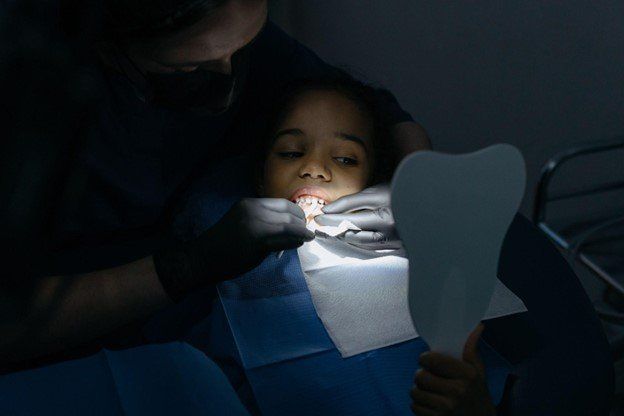
Pediatric dentistry is crucial to a child's overall health. Dentists do periodic cleanings and screenings that keep your child's teeth healthy and strong and identify any issues with their oral health. Your children may develop tooth pain or suffer from a dental disease without the care of a competent dentist. They might also require restorative care sometime in the future. Therefore, one of your primary objectives should be choosing the best dentist for your children.


Yet, how do you pick a suitable dentist for your children? Here are some factors you need to consider while searching for a qualified children's dentist.


1. Look for Specialization

Check each dentist's field of specialization before selecting a children's dentist. Seek out a professional with experience treating children. Their area of expertise being pediatric dentistry is crucial to your child's dental health.


A pediatric dentist would serve you the best due to their in-depth expertise in comprehending children's oral health requirements and development. Many dentists also enroll in pharmacology, psychiatry, and childhood development training.


Their enhanced knowledge and skills can ensure they deliver not just excellent oral pediatric treatment, but also a well-rounded dentist experience for your children. 


2. Check Their Credentials 

Finding a children's dentist with abundant experience and training required to care for your child is crucial. Emphasis on your child's wellbeing won't allow you to cut corners. Finding a qualified dentist with several years of practical experience must be preferred at all costs.


Consulting with other parents in the neighborhood can be an excellent place to start your search. You could use their experience to guide your selection of children's dentists. After obtaining a list of referrals, you should perform a background check of their alma mater, place of training, number of years in practice, current number of patients, etc. Also, don't forget to request evidence of each dentist's credentials and board certification from your list.


3. Ask about the Services Offered

Evaluate your options for dentists while keeping in mind any probable needs your child may have in the future. But finding a dentist they can see multiple times a year for routine screenings is crucial before anything else. In addition to routine dental checkups and cleanings, you could look for a facility that provides orthodontic care if there is a possibility that your child may require braces of any sort.


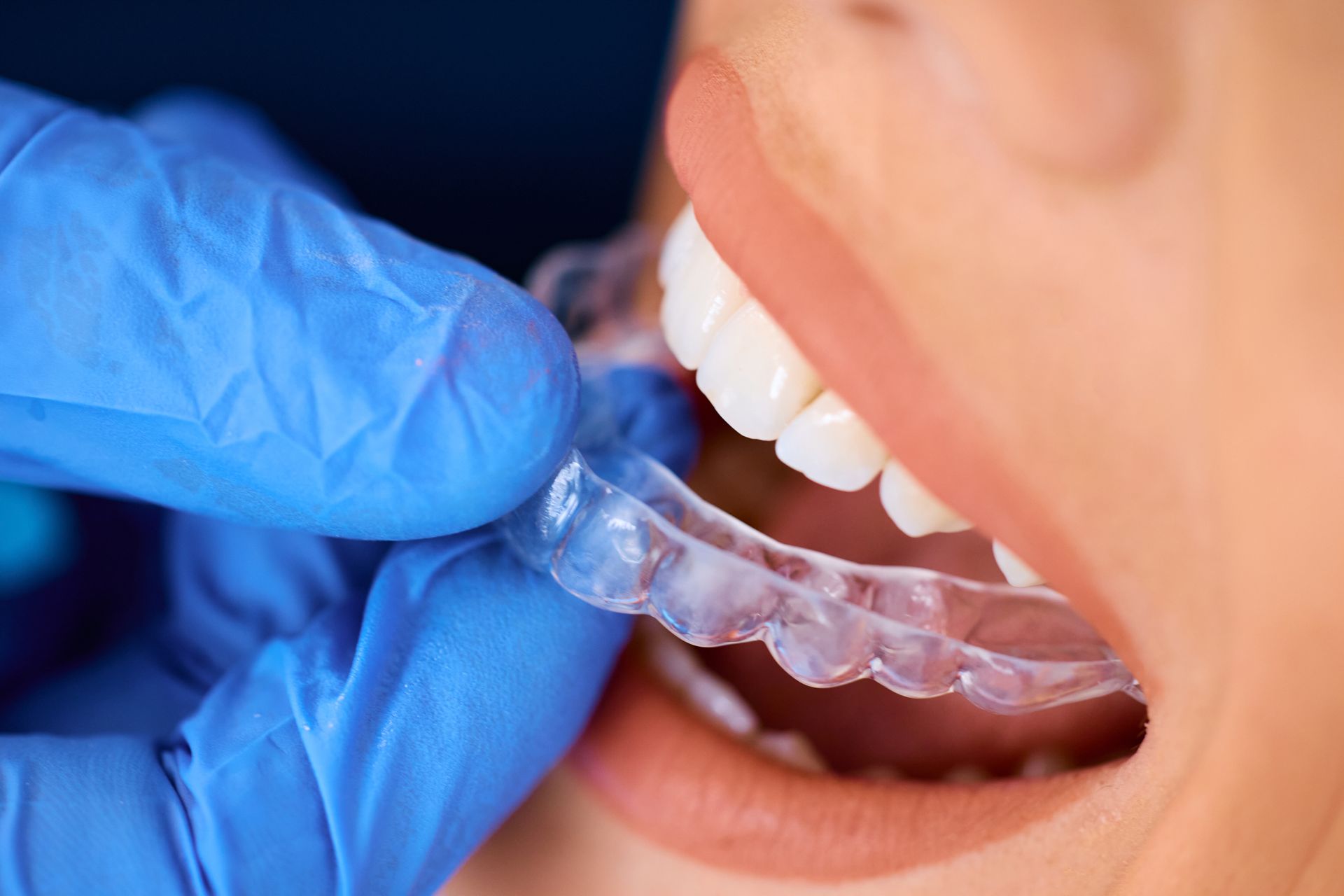
It's better to choose a professional you and your child trust that can provide your child with braces or Invisalign treatments than to take your child from one clinic to another. 


Also, ensure that the dentist provides modern services or leverages new-age technologies, so your child gets state-of-the-art care that’s as painless as possible. Hence, finding a dentist who offers a comprehensive range of dental care services can give you the peace of mind that your child's dental health is under expert watch.


4. Request for an Initial Appointment

Check if they offer an introductory consultation rather than moving directly with your child's first dentist appointment. You now have an opportunity to enter the office with your kid under no pressure to keep getting your treatment there.


Moreover, to let children realize that going to the dentist isn't frightening, your child also gets the chance to tour the office and meet the dentist in person. It is also an excellent time to communicate any worries regarding your child's general dental hygiene or pose questions concerning what to expect.


5. Keep a Close Eye on Staff’s Behavior

Ensure you observe how the dentist, office staff, and dental hygienists communicate with your children during the initial appointment. Ideally, they should behave in a child-friendly way and use simple language when speaking to your child. Make sure the pediatric dentist you choose speaks to your children with consideration and empathy. 


When kids are anxious, it helps if the dentist walks them through the procedure before starting. The perfect children's dentist will discover ways to make treatment enjoyable for your child and have them witness how things get accomplished. It helps ensure that your child feels at ease while visiting the dentist's office.


6. Consider Proximity and Logistics

Another crucial consideration when selecting a children's dentist is proximity. Finding a nearby child dentist's office so you may bring all your kids at once for convenience is a fantastic option if you do not want to spend too much time commuting back and forth. Look at the location of each dental office and prefer a practice close to your home or your children's school.


You can accompany your kid to school after bringing them in for a checkup. The drive could seem tiresome if it takes an hour to get from your house or school to the office. Instead, look for a dentist in a nearby place.


Also, ensure that they are situated in a secure location as well.


7. Check Your Insurance Coverage

Check to determine if the dentist's services are included in your insurance plan once you've found one who can accommodate your entire family. The cost of several dental procedures, screenings and tests, treatments, and cleanings would get compensated by your insurance coverage.


Firstly, inquire with your dentist whether they recognize your insurance or contact your insurance provider to learn if they are covered in your insurance network. Your insurance company will outline your benefits and explain what is covered when you contact them.


In case you aren't insured, you might have to pay the entire amount for your child's dental appointment. However, you can contact specific dental offices and inquire about their fees for various services. Comparing dental rates could help you save money because clinics frequently charge different prices if you are out-of-network.


Conclusion

It is not always the quickest and easiest decision to select a children's dentist. However, you can feel secure that your children are receiving the best possible care when you discover a dentist that both you and your children appreciate and someone who stands on all your expectations.


That's why the experts at Gateway Family Dentistry provide a diverse range of dental services, including implants, sedation, and general family dentistry to meet the specific needs of each of our patients because they genuinely care about their comfort, happiness, and overall health.


Contact the team today to schedule an appointment and give us a chance to serve your loved ones. 

Read More From Gateway Family Dentistry

September 25, 2026
We at Gateway Family Dentistry understand that a bright, confident smile can greatly affect how you feel. Since there are so many tooth whitening products and treatments on the market, it's often hard to tell which ones actually work and which might offer little or no benefit. Whether you choose whitening toothpaste or go for professional treatments, knowing what's available can help you pick a safe and effective method for brightening your smile. If you understand how teeth whitening works and what causes teeth to become discoloured, then you'll be in a better position to decide which treatment might be suitable for your smile. What Causes Tooth Discoloration? Teeth may become discolored for a number of reasons, with some stains forming on the surface of the teeth and others appearing deeper inside the tooth. Common causes of tooth discoloration include: • Coffee, tea, soda, and other dark-colored beverages • Certain foods • Tobacco use • Natural aging • Poor oral hygiene • Certain medications or dental conditions Whitening products can help with surface stains. Deeper discoloration might need professional treatment or another cosmetic dental option. Which teeth whitening methods actually work? There are a great many tooth whitening products on the market, such as toothpaste for whitening, over-the-counter whitening strips, whitening gels, and professional treatments. Although toothpaste that whitens can help get rid of certain surface stains, it usually has no effect on the natural color of your teeth. Similarly, over-the-counter whitening strips and other products can brighten your teeth to some extent, but results vary by product and the type of discoloration. Professional teeth whitening at the dentist may deliver more noticeable, predictable results; the dentist can study your smile and suggest a treatment that fits your needs. What methods are ineffective for whitening? It isn't the case that all teeth-whitening methods are safe or effective. Those home remedies which are promoted on the internet, for example those containing acidic ingredients or abrasive materials, could damage the enamel or cause gum irritation. Whitening agents will not whiten dental restorations such as crowns, veneers, or fillings. If you have visible restorations, your dentist can help you understand how whitening might affect the overall appearance of your smile. Overuse of whitening products may also lead to tooth sensitivity or irritate the gums. To prevent unnecessary issues, follow the product instructions and talk to your dentist. Is expert teeth whitening suitable for you? The best teeth whitening procedure depends on the condition of your teeth and the type of discoloration you have. Before any whitening, your dentist can check for cavities, gum issues, enamel problems, and other conditions that need to be addressed first. Professional whitening may be a good choice if you want a whiter smile with results customized to your needs. Brighten Your Smile With Professional Dental Care The secret to a brighter smile is knowing which methods actually work; while some over-the-counter products can reduce surface stains, professional teeth whitening offers a more customized way to achieve a noticeably brighter smile. We at Gateway Family Dentistry are committed to helping patients make informed choices about cosmetic and preventive dental care, and if you are thinking about teeth whitening, we can examine your smile and help you choose the best option. If you are eager to brighten your smile, contact Gateway Family Dentistry to schedule an appointment. We're here to help you achieve a healthy, positive smile.
August 28, 2026
At Gateway Family Dentistry , we understand that protecting your teeth goes beyond brushing and flossing. Many patients grind or clench their teeth, especially while sleeping, without realizing it. Over time, teeth grinding , or bruxism, can cause tooth damage, jaw discomfort, headaches, and other oral health concerns. For some patients, a night guard can protect their smile. Detecting the signs of teeth grinding and how night guards work can help you decide when extra protection may benefit your oral health. What Is Teeth Grinding? Teeth grinding occurs when you clench or shift your teeth, often unconsciously. Some people grind during the day, but sleep-related grinding is especially common because you may not realize it. Occasional grinding may not cause problems, but frequent or intense grinding can put excessive pressure on your teeth and jaw. Stress, sleep habits, and other factors may contribute to bruxism. Signs You May Be Grinding Your Teeth Because teeth grinding often happens during sleep, many patients do not know they are doing it. Your dentist may notice signs during a routine dental examination. Common symptoms and warning signs can include: Worn, flattened, or chipped teeth Increased tooth sensitivity Jaw soreness or tightness Morning headaches Facial discomfort Tooth fractures or damage Tenderness when chewing Increased jaw tension If you often wake up with a sore jaw or notice changes in your teeth, talk with your dentist about whether teeth grinding is causing the problem. How Can a Night Guard Help? A night guard for teeth grinding is a protective retainer worn over the teeth while you sleep. It establishes a barrier between the upper and lower teeth, decreasing direct contact from clenching and grinding. Night guards shield each tooth from extensive grinding and may reduce some pressure on the jaw. They don't eliminate the cause of grinding, but they provide an important layer of protection. Do You Need a Night Guard? Not everyone who grinds their teeth needs a night guard. Your dentist can evaluate your teeth, gums, jaw, and symptoms to decide if one is appropriate. Your dentist has the technology to design a custom night guard that fits your mouth comfortably and securely. A well-fitted guard offers better comfort and protection than a generic one. If you already have signs of significant tooth wear, frequent jaw discomfort, or other bruxism-related symptoms, your dentist may recommend a night guard as part of your personalized oral health plan. Protect Your Smile With Regular Dental Care Teeth grinding can happen quietly, but its effects get noticeable over time. Regular dental visits let your dentist monitor your teeth for wear and catch problems early. At Gateway Family Dentistry , we are committed to helping patients protect their teeth through personalized preventive care and education. If you have jaw discomfort, tooth sensitivity, or other signs of teeth grinding, we can help find the best way to protect your smile.  If you think you may be grinding your teeth at night or would like to learn whether a night guard is right for you, contact Gateway Family Dentistry to schedule an appointment. We are here to help you maintain a healthy, comfortable smile.
July 31, 2026
At Gateway Family Dentistry , we recognize that selecting the right toothbrush is essential for oral health. Many patients ask whether electric toothbrushes are better than manual ones. Both can clean teeth effectively when used correctly, but dentists often recommend electric toothbrushes for certain patients because they make brushing easier, more consistent, and more effective. Knowing the differences between electric and manual toothbrushes will help you choose the best option for your oral health. Electric vs. Manual Toothbrushes: What’s the Difference? Both electric and manual toothbrushes remove plaque, food particles, and bacteria. The main difference is how the brushing motion is generated. A manual toothbrush relies on your brushing technique, while an electric toothbrush uses powered movements, such as rotating, oscillating, or vibrating, to clean your teeth. For many, an electric toothbrush makes it easier to maintain proper brushing habits and reach areas that may be missed with a manual brush. Benefits of Using an Electric Toothbrush More Consistent Brushing Motion A key advantage of electric toothbrushes is their consistent brushing motion. Many people do not brush long enough or use proper technique with manual brushes. Electric toothbrushes provide steady movements that can improve plaque removal. Some models include built-in timers to help ensure you brush for the recommended two minutes, supporting healthy brushing habits. Helpful for People With Limited Mobility Electric toothbrushes are very helpful for those with limited hand, wrist, or arm mobility. The powered brush head reduces effort, making brushing easier for people with arthritis or other dexterity challenges. Improved Plaque Removal Research shows that some electric toothbrushes may remove more plaque and minimize the risk of gingivitis compared to manual brushes when used correctly. Regular plaque removal is important to stop oral health issues from happening. Pressure Control Features Many electric toothbrushes have pressure sensors that alert you if you brush too hard. Excessive pressure can irritate gums and wear down enamel. Pressure sensors help protect your teeth and encourage better brushing habits. Are Manual Toothbrushes Still Effective? Yes, a manual toothbrush can still clean effectively when used properly. The most important factors are your technique, brushing frequency, and reaching all areas of your mouth. When using a manual toothbrush, dentists recommend a soft-bristled brush and gentle circular motions. Avoid brushing too aggressively to protect your gums and enamel; focus on thorough, gentle cleaning. What Do Dentists Recommend? At Gateway Family Dentistry , we believe the best toothbrush is the one you use consistently and correctly. For those who struggle with technique, need extra help removing plaque, or possess specific oral health concerns, an electric toothbrush may be a good choice. A manual toothbrush can also be effective when combined with proper brushing habits and regular dental care. Your dentist can help you make the best choice based on your needs, goals, and lifestyle. Regular Dental Care Keeps Your Smile Healthy Whether you use an electric or manual toothbrush, daily brushing and flossing are essential for a healthy smile. Regular dental checkups and professional cleanings help remove buildup, prevent issues, and detect concerns early. At Gateway Family Dentistry , our team is devoted to helping patients keep up with healthy smiles through personalized preventive care and education. We are happy to answer your questions about toothbrushes, brushing techniques, and oral health protection. If you are due for a dental visit or would like customized advice on improving your oral hygiene, contact Gateway Family Dentistry to schedule an appointment. We are here to help you achieve a healthier smile. 
Show More