
Gateway Family Dental Blog
Summer Tooth Care for Kids

Summer is here, and it's time for kids to enjoy the sun, play outside, and indulge in their favorite summer treats. While they are busy having fun, parents need to keep an eye on their children's oral health. Summer tooth care for kids is crucial to maintaining a healthy smile. Let’s take a look at some tips on how to keep your child's teeth healthy during the summer.
Say No to Sugary Drinks
Sugary drinks include sodas, sports drinks, fruit juices, and even sweetened iced teas. When consumed in excess, they can cause cavities, erosion of tooth enamel, and other dental issues.
Sugary drinks are particularly harmful to teeth because they provide a breeding ground for bacteria in the mouth. Bacteria in the mouth thrive on sugar and produce acid, which attacks tooth enamel and leads to cavities. Additionally, sugary drinks often have high levels of acidity themselves, which can further erode tooth enamel and lead to tooth sensitivity and decay.
To protect your child's dental health during the summer, it is important to limit their consumption of sugary drinks. Encourage them to drink plenty of water and other non-sugary beverages like milk and unsweetened iced tea. When they do drink sugary drinks, make sure they brush their teeth afterward or at least rinse their mouth with water to help neutralize the acids in the drink.
Encourage Healthy Snacks
Summer is a time for kids to enjoy their favorite snacks and treats, but it's important to remember that what they eat can have a big impact on their dental health. Consuming too many sugary or starchy snacks can increase the risk of cavities and other dental problems. Therefore, it is important to encourage your child to have healthy snacks during the summer.
Healthy snacks that are good for teeth include fresh fruits and vegetables, cheese, nuts, and whole grain crackers. These snacks are low in sugar and starch and can help promote good oral health. Fresh fruits and vegetables are especially beneficial as they contain high amounts of water and fiber, which help stimulate saliva production and neutralize acid in the mouth.
On the other hand, sugary and starchy snacks like candy, chips, and cookies should be limited, as they provide food for bacteria in the mouth and can lead to the development of cavities. Additionally, frequent snacking throughout the day can increase the risk of tooth decay. When children snack frequently, they expose their teeth to acid attacks more often, which can increase the risk of cavities.
Focus on Good Oral Hygiene
Good oral hygiene is essential for maintaining healthy teeth and gums, and it's especially important during the summer months when children may be consuming more sugary snacks and drinks. A good oral hygiene routine should include brushing teeth twice a day, flossing daily, and visiting the dentist regularly for checkups and cleanings.
Brushing
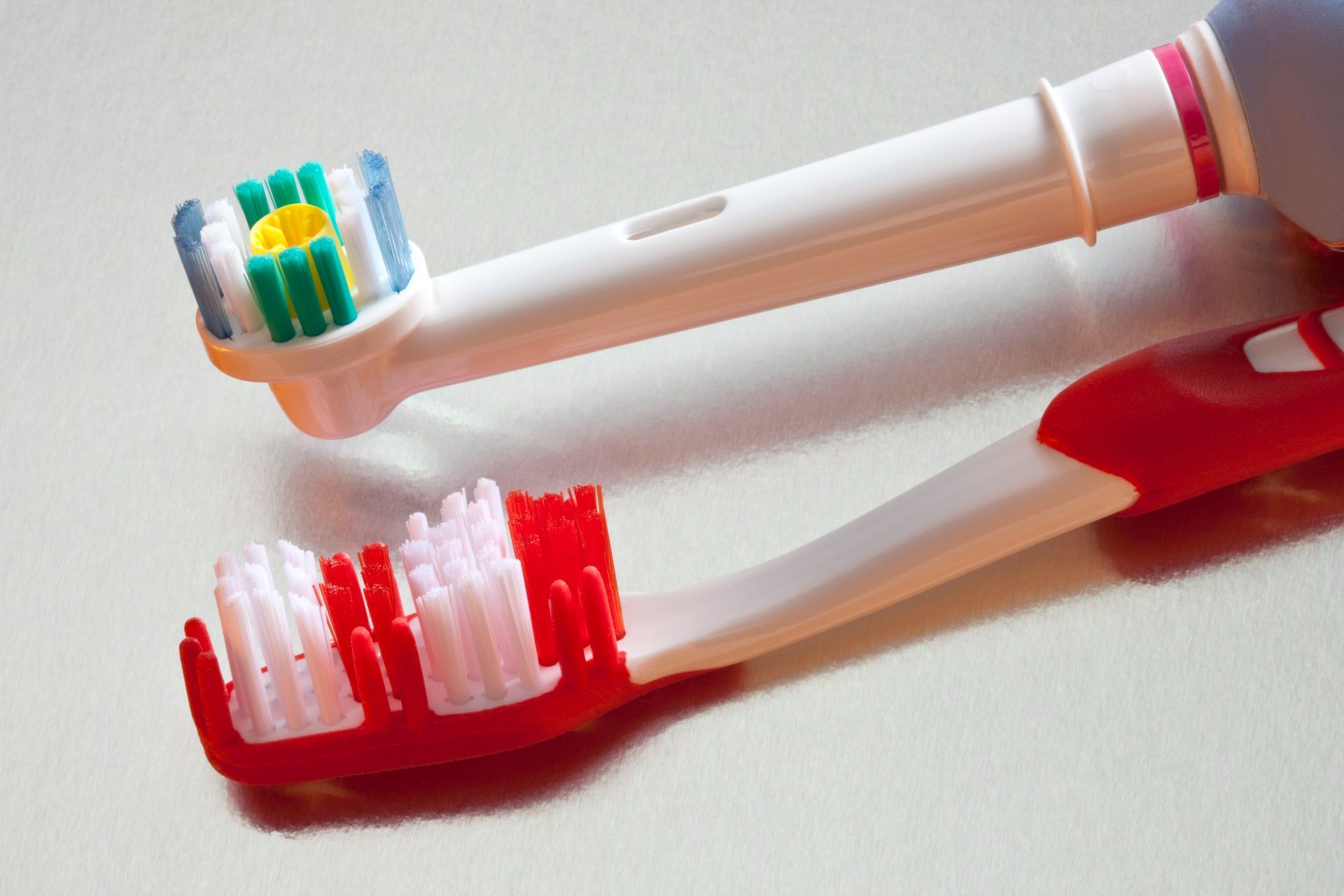
Brushing is the foundation of good oral hygiene. Children should brush their teeth twice a day with fluoride toothpaste to remove plaque and prevent cavities. Make sure that your child uses a soft-bristled toothbrush and brushes all surfaces of the teeth, including the back molars and the tongue, for at least two minutes. Encourage your child to spit out the toothpaste and rinse their mouth with water after brushing.
Flossing
Flossing is just as important as brushing for removing food particles and plaque from between teeth and along the gum line. Children should floss daily, using a flossing tool or traditional floss. Make sure your child knows how to floss correctly and gently, as aggressive flossing can damage gums.
Visiting a Dentist
Regular dental checkups and cleanings are an essential part of good oral hygiene. Dentists can detect and treat dental problems early on, before they become more serious. During a dental checkup, the dentist will clean your child's teeth, examine their mouth for any signs of dental problems, and provide guidance on how to maintain good oral hygiene at home.
Eat a Balanced Diet
A balanced diet includes a variety of foods from different food groups, such as fruits, vegetables, grains, proteins, and dairy products. These foods provide essential nutrients, vitamins, and minerals that promote good oral health and overall well-being.
Fruits and vegetables, such as apples, carrots, celery, strawberries, and watermelon, are particularly beneficial for teeth and gums as they are rich in fiber, vitamins, and minerals.
Grains provide energy for the body, but it's important to choose whole grains over refined grains. Whole grains, such as brown rice, whole wheat bread, and oatmeal, contain more fiber and nutrients that promote dental health.
Protein is also essential for dental health as it contains phosphorus, which helps strengthen tooth enamel. Good sources of protein include lean meats, fish, eggs, beans, and nuts.
Dairy products, such as milk, cheese, and yogurt, are rich in calcium and other nutrients that help strengthen teeth and bones. They also help to neutralize acids in the mouth, which can cause tooth decay.
Summer tooth care for kids is essential to preventing dental issues. Remember to encourage your children to brush twice a day, limit sugary snacks and drinks, and use mouth guards during sports activities. If you have any concerns about your child's dental health or need professional
dental services, contact Gateway Family Dentistry at
(615) 962-8505. Our experienced team is here to provide exceptional dental care to families in Murfreesboro and the surrounding areas.
Contact us now, and let's work together to ensure your child has a healthy and beautiful smile this summer!
Read More From Gateway Family Dentistry