
Gateway Family Dental Blog
What Type of Dental Bridges Are Available?
Most people value a nice smile. A nice smile can get you far and bring joy to other people. However, if you have some teeth missing, you may find it difficult to show off your smile. Fortunately, there are some options available for improving your smile. One such option is a dental bridge. Continue to learn how to take back control of your smile with a dental bridge.
What Is a Dental Bridge?
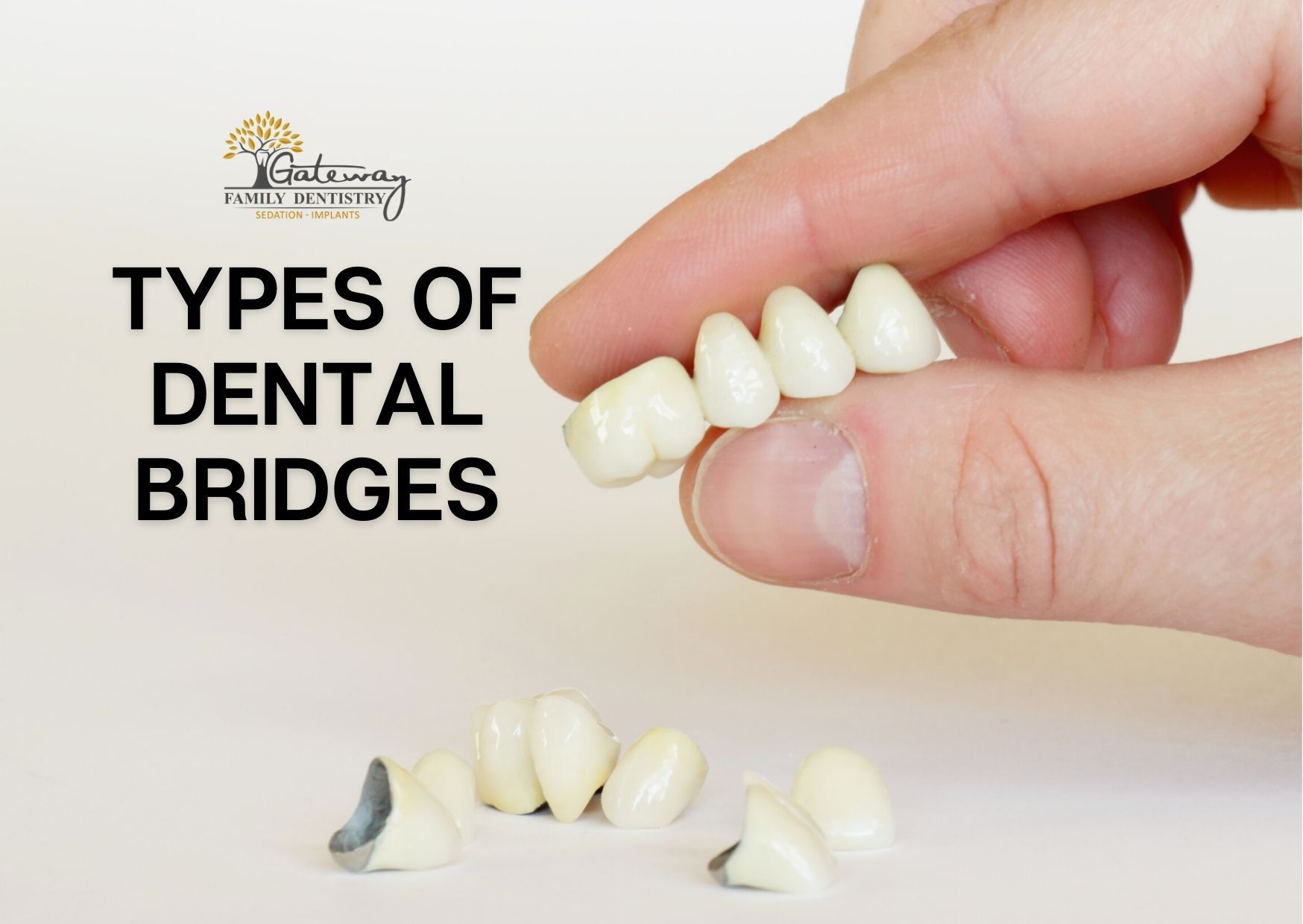
If you are missing teeth, it may cause you to feel self-conscious when you smile. You can have these gaps that are caused by missing teeth to be closed with dental bridges. A bridge is a dental restoration procedure that takes a false tooth and attaches it to adjacent teeth or implants.
The false tooth, or pontic, can be made from many materials. Porcelain is a popular material because it can blend well with natural teeth. At Gateway Family Dentistry, we are proud to offer this dental treatment option to our Murfreesboro-based patients.
Types of Dental Bridges
There are four dental bridge types. They are traditional, cantilever, Maryland, and implant-supported.
Traditional
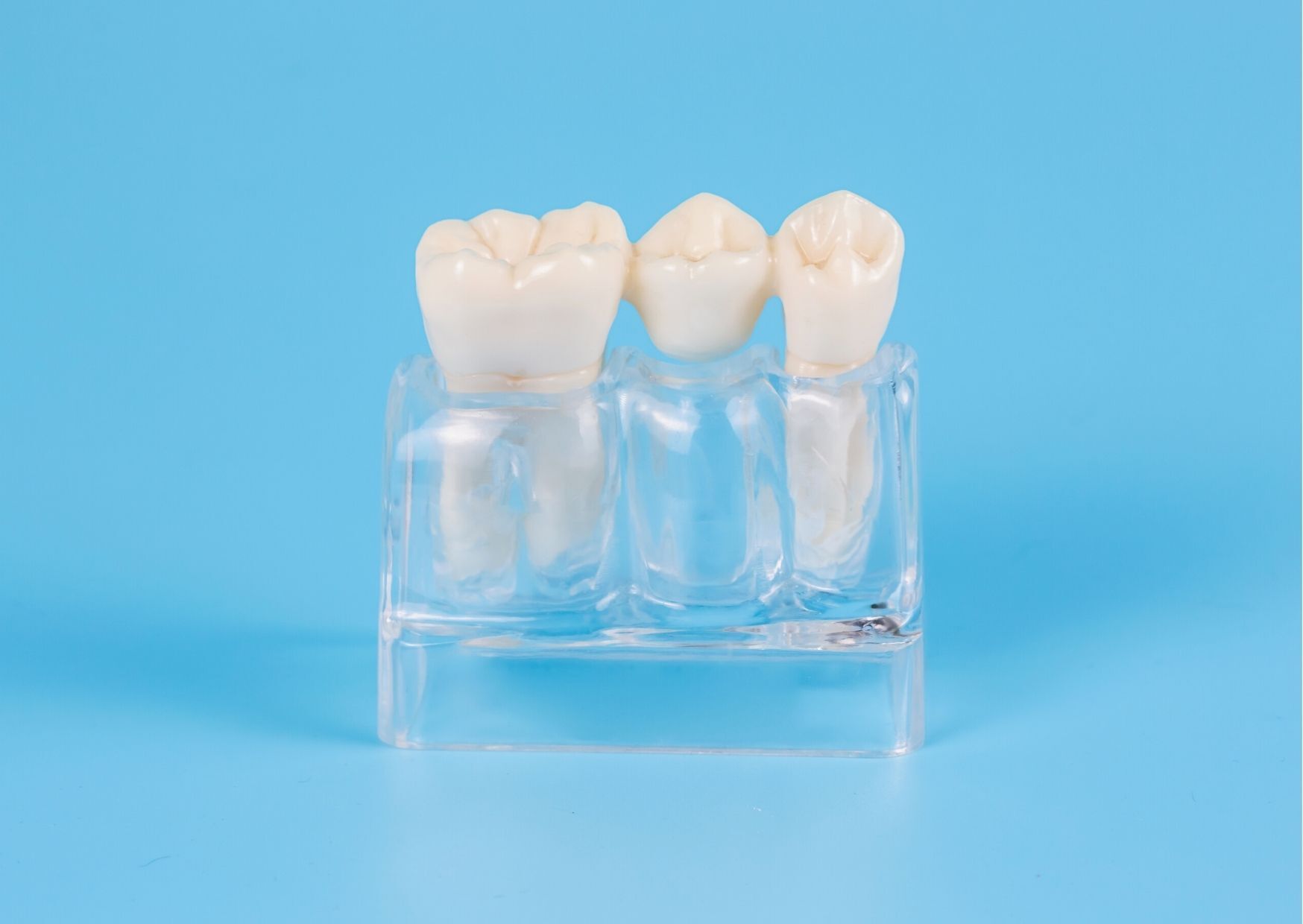
With a traditional dental bridge, false teeth are kept in place by dental crowns that have been attached to adjacent teeth. It is the most popular type of bridge. If you have teeth on each side of the gap caused by a missing tooth, you can get this type of dental bridge.
Cantilever
There are some similarities between the traditional dental bridge and the cantilever bridge. However, with the cantilever dental bridge, the pontic is kept in place by only one dental crown that has been cemented to an adjacent tooth. So, really you only need one natural tooth that is adjacent to the gap caused by the missing tooth.
Maryland
Like the traditional dental bridge, the Maryland dental bridge uses two adjacent teeth on each side of the missing tooth gap. However, instead of using dental crowns on the adjacent teeth, a metal or porcelain framework is connected to the adjacent teeth.
Implant-Supported
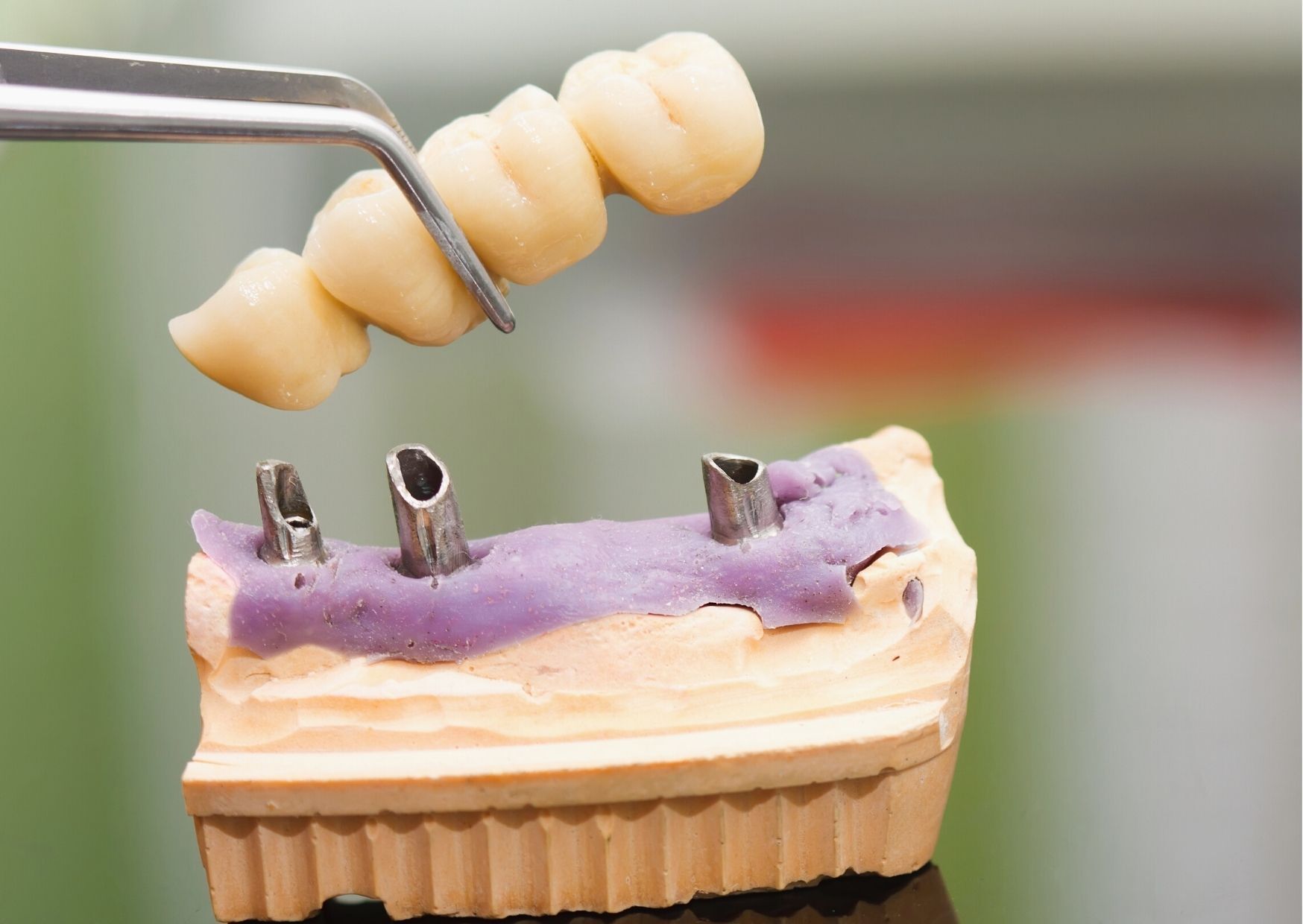
Instead of crowns or frameworks, the implant-supported bridges utilizes dental implants. For every tooth that you have missing, an implant is surgically implanted. These implants keep the bridge in place. If it is not possible to put in an implant, the bridge can suspend a pontic in the middle of two implant-supported crowns.
The implant-supported bridge is considered the most stable and strongest of the four. With the implant-supported bridge, you need to do two surgeries. The first surgery puts the implants into the jaw. The second surgery puts the bridge in place. The procedure can take a couple of months to complete.
How Much Does a Dental Bridge Cost?
The cost of a dental bridge depends on several variables. First, you have to figure out how many gaps need to be filled. You also want to consider the materials used to make the bridge.
Some of these materials include zirconia, composite resin, and resin-covered metal alloy. If you need treatment for gum disease, you have to add that to the final cost. Your dental bridge’s location and type also affect the final price.
Zirconia crowns combine the strength of metal with the aesthetic of porcelain. This makes it look like a real tooth. These crowns are continuously being developed to be better. The good thing is they are durable.
Because they need less preparation, the dentist can shape them. So, you can be fitted for the crown during one appointment. More porcelain can be layered onto the crown for it to look more tooth-like. These crowns are biocompatible. So, you are less likely to experience a reaction to them.
Traditional and cantilever bridges tend to be in the middle range in terms of price. When it comes to a Maryland bridge, a pontic with a framework that has been bonded to adjacent teeth tends to run closer to the lower price range.
The implant-supported bridge is the most expensive. The cost ranges, but the price includes two dental implants and can span three or four teeth.
If you have dental insurance, your bridge procedure should be covered. The insurance company usually covers implants too. Dental bridges typically have to be replaced with a new one around every 5 to 15 years. If you take care of your implants, they can be a permanent solution. However, the life of your bridge diminishes if proper hygiene isn't followed.
Reasons to Get a Dental Bridge
Having missing teeth can take a toll on your self-esteem. Getting a dental bridge can solve this problem by restoring your smile.
A bridge also allows you to chew properly and distribute your chewing force more evenly. It can improve your speech and pronunciation as well.
With a bridge, the shape of your face remains the same. A bridge can also stop your remaining teeth from shifting out of position.
The Dental Bridge Procedure
Installing a dental bridge involves many steps. You will have to visit the dentist more than once. When going for a traditional bridge implant, the dentist is going to inject a local anesthetic into your gum close to where the bridge will be.
The supporting teeth will be shaped to have the dental crown cemented onto them. An impression of your teeth will then be made. A laboratory has to custom-make the bridge. So, you will have a temporary crown or bridge installed in your mouth.
Once your bridge has been made, you will come back to the dentist to install it. Your temporary bridge will be removed and your permanent one will be fitted. For a perfect fit, the bridge will have to be secured with cement. You will have to wait several weeks for the permanent placement.
Dental Bridge Adjustment
It may take some time for you to get used to the new bridge or modified bite. There may be some mild discomfort or swelling once your dental bridge has been installed.
If the discomfort hasn't subsided or it gets worse, you should contact the dentist. You can try to gargle with a solution of one tablespoon of salt mixed with four ounces of warm water to help reduce any irritation.
Caring for Your Dental Bridge
For your bridge to last a long time, it is important to practice good oral hygiene. Keep in mind that if you take care of your dental health, your bridge can last for more than a decade.
Not only should you pay attention to your bridge, but you also want to make sure that the teeth that are supporting the bridge remain healthy. If these teeth start to decay and become damaged, they can cause issues with the bridge.
When caring for your teeth, you need to brush for two minutes twice a day. A soft-bristled toothbrush is more than enough. You also want to floss once a day. A proxabrush can help you clean under the bridge in an effective manner.
Choose a fluoride toothbrush for brushing and an antiseptic mouthwash. You also want to eat fruits and vegetables that have a lot of fiber. Visiting the dentist and dental hygienist regularly will also help.
Some Things to Avoid
When you have a bridge, you want to stay away from foods that are hard and sticky. Nuts, popcorn kernels, candy, caramel, and ice are just some of the things you want to avoid. Also, avoid foods and drinks that are acidic and sugary.
You also want to avoid using tobacco products. This will reduce any chance of complications with your bridge later on down the road. Following these tips will allow you to enjoy your new smile for as long as possible.
The Wrap Up
When preparing for a dental bridge there are a few things to consider. You want to get acquainted with the different types available. Figuring out how much the procedure will cost and what your insurance can cover is also a necessary step. Once you get the bridge, you want to practice good oral health so it can last as long as possible and avoid complications.
At Gateway Family Dentistry in Murfreesboro, TN, we can help you choose the right bridge for your smile. Our years of expertise and knowledge will have you showing off your smile any chance you get. We also offer a variety of financing plans for you to be able to pay for your new smile. Are you ready to get started? Reach out to us today to set up an appointment.
Read More From Gateway Family Dentistry