
Gateway Family Dental Blog

When to Replace Your Dental Fillings?

Almost 2.3 billion people across the world suffer from tooth decay, and more than 530 million children suffer from tooth decay of the primary teeth. Over time, due to several reasons, such as sugary foods and drinks, poor dental hygiene, or lack of fluoride, we all get cavities and go through a dental filling process, especially during adulthood.


Dental fillings are one of the most common reasons for visiting a dentist besides standard health checkup. It protects you from one of the biggest threats to your oral hygiene—tooth decay. It also improves your overall dental hygiene and restores your smile. However, you must know that most fillings do not last forever. Sooner or later, fillings will wear out, become loose, or develop other issues and need to be replaced. Read on to learn more about when you need a filling, what happens during the procedure, when to replace the fillings, and so on.


When Do You Need a Filling?

Most people will need at least one dental filling in their lifetime. So do not worry when your dentist tells you that you might need a filling during your regular dental check.


Usually, symptoms such as tooth sensitivity, a chipped or fractured tooth, dark spots, and sharp pain are indicators that you might need a filling. A dentist removes the decayed part and fills the gap to avoid further damage or spreading of the cavity to adjacent teeth. The treatment depends on the nature of the damage and the type of fillings. Fillings can be done using various materials; gold fillings, amalgam fillings, composite fillings, and porcelain fillings are some of the most commonly used. 


What Happens During a Dental Filling Process?

During a dental filling process, your dentist will first give your local anesthesia to numb the area. Then, they drill to cut through the enamel and remove the decay. After this, the dentist will use a lower-speed drill on the dentin to shape the tooth and prepare it for filling.


In certain cases, they use a base or liner to protect the tooth's pulp. If you have opted for a composite filling, one of the most popular among patients, the dentist will first etch the tooth with an acid gel to make tiny holes in the tooth's enamel filled with the selected composite material. Next, the dentist will use a dental device to finish and polish the filled tooth. 


What Is It like after Undergoing a Dental Filling Process?

You may experience tooth sensitivity after a dental filling, but these symptoms usually do not last long and fade with time. For instance, you may feel pain or extra pressure while chewing or a sudden sharp feeling of shock after getting a filling done.


It is important to know that this only happens if you have an amalgam filling in a bottom tooth and a gold crown in the tooth just above it. Though these symptoms do not last beyond two weeks, if you continue to feel sensitive or pain even after two weeks, you need to get in touch with your dentist. The dentist may use a different filling material or replace the existing filling with the same material. In addition, they may add a base, liner, or desensitizing agent to the tooth to eliminate sensitivity. 


How Long Do Dental Fillings Last?

Some filling materials are more durable than others; however, none last forever. For instance, gold and amalgam fillings can last 15 to 30 years, followed by ceramic fillings that last up to 15 years. On the other hand, composite and porcelain usually can be more fragile and last only 5 to 10 years, but they are cosmetically more appealing.


Remember, the longevity of fillings increases with proper care and good oral hygiene irrespective of what material it is made of. So, if you do not pay attention or indulge in things such as consuming a sugary diet, inadequate brushing, biting on ice or hard candy, or experiencing night-time teeth grinding, your dental filling materials will likely wear off and need a replacement regardless of their age.


Signs Your Dental Filling Needs to Be Replaced

Your dentist will monitor existing fillings during regular checkups and may suggest a replacement before it gets a chance to cause further damage. If you have suffered other oral problems, such as oral infections or dental damage, consult a dentist to determine whether your fillings need to be replaced. Below mentioned signs also might indicate that it is time to restore dental fillings:


  1. Experiencing tooth sensitivity to hot or cold foods.
  2. Experiencing tooth sensitivity while brushing.
  3. Pain in the location of the filling.
  4. Loose or worn dental filling.


Please note that the type of your dental filling also plays a major role in determining when it needs to be replaced—resin dental fillings need to be replaced every 7 to 10 years, while amalgam and silver fillings can last up to 15 years.


Conclusion

If you are experiencing pain, sensitivity, or any one of the other symptoms mentioned above, reach out to a dentist. If left unattended, you leave your teeth vulnerable to another cavity. 


If you think it is time for a new filling, contact the experts at Gateway Family Dentistry located in Murfreesboro, Tennessee. We offer a range of dental services, including dental fillings, using state-of-the-art technologies. Feel free to request an appointment today for more information.


Read More From Gateway Family Dentistry
July 31, 2026
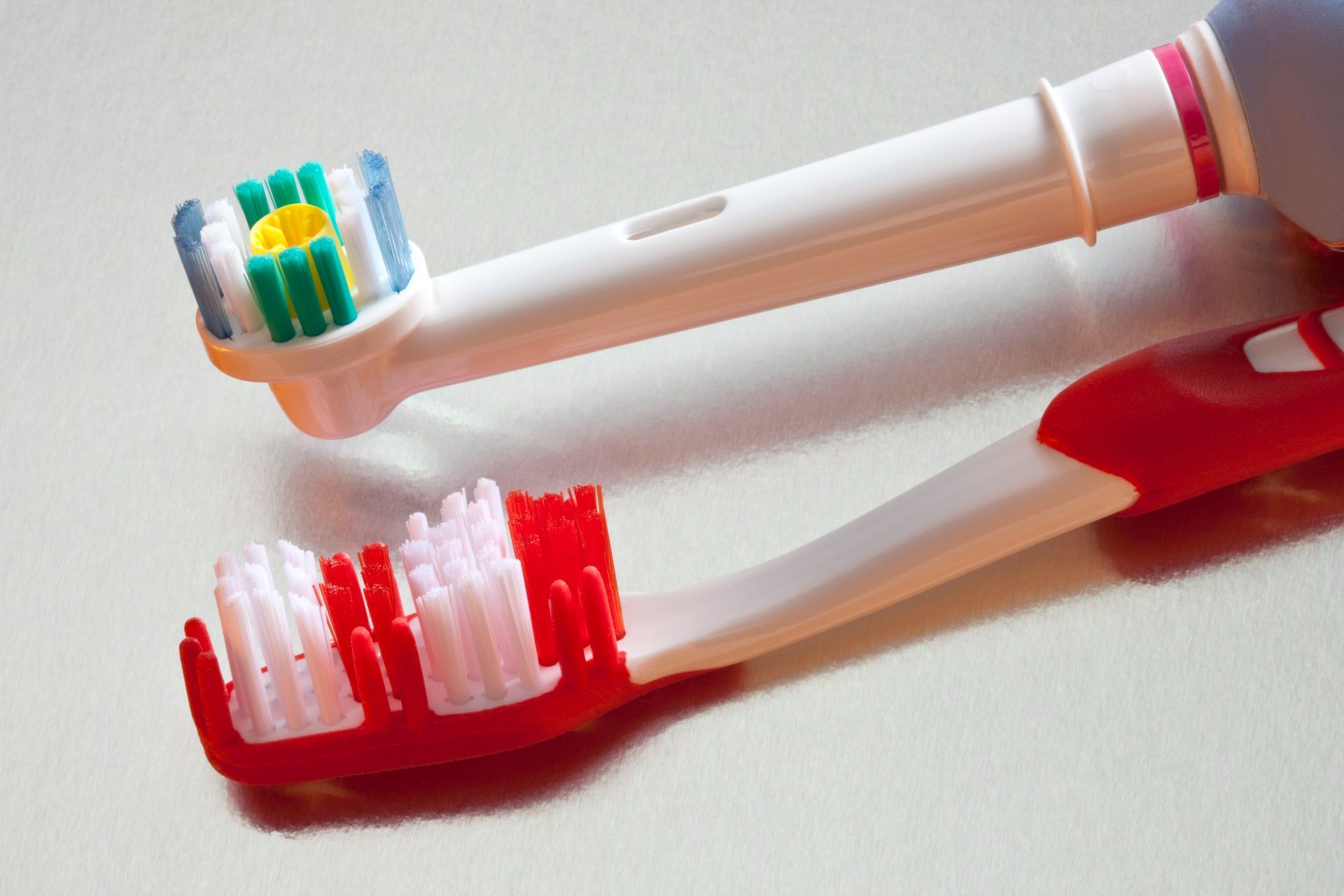
At Gateway Family Dentistry , we recognize that selecting the right toothbrush is essential for oral health. Many patients ask whether electric toothbrushes are better than manual ones. Both can clean teeth effectively when used correctly, but dentists often recommend electric toothbrushes for certain patients because they make brushing easier, more consistent, and more effective. Knowing the differences between electric and manual toothbrushes will help you choose the best option for your oral health. Electric vs. Manual Toothbrushes: What’s the Difference? Both electric and manual toothbrushes remove plaque, food particles, and bacteria. The main difference is how the brushing motion is generated. A manual toothbrush relies on your brushing technique, while an electric toothbrush uses powered movements, such as rotating, oscillating, or vibrating, to clean your teeth. For many, an electric toothbrush makes it easier to maintain proper brushing habits and reach areas that may be missed with a manual brush. Benefits of Using an Electric Toothbrush More Consistent Brushing Motion A key advantage of electric toothbrushes is their consistent brushing motion. Many people do not brush long enough or use proper technique with manual brushes. Electric toothbrushes provide steady movements that can improve plaque removal. Some models include built-in timers to help ensure you brush for the recommended two minutes, supporting healthy brushing habits. Helpful for People With Limited Mobility Electric toothbrushes are very helpful for those with limited hand, wrist, or arm mobility. The powered brush head reduces effort, making brushing easier for people with arthritis or other dexterity challenges. Improved Plaque Removal Research shows that some electric toothbrushes may remove more plaque and minimize the risk of gingivitis compared to manual brushes when used correctly. Regular plaque removal is important to stop oral health issues from happening. Pressure Control Features Many electric toothbrushes have pressure sensors that alert you if you brush too hard. Excessive pressure can irritate gums and wear down enamel. Pressure sensors help protect your teeth and encourage better brushing habits. Are Manual Toothbrushes Still Effective? Yes, a manual toothbrush can still clean effectively when used properly. The most important factors are your technique, brushing frequency, and reaching all areas of your mouth. When using a manual toothbrush, dentists recommend a soft-bristled brush and gentle circular motions. Avoid brushing too aggressively to protect your gums and enamel; focus on thorough, gentle cleaning. What Do Dentists Recommend? At Gateway Family Dentistry , we believe the best toothbrush is the one you use consistently and correctly. For those who struggle with technique, need extra help removing plaque, or possess specific oral health concerns, an electric toothbrush may be a good choice. A manual toothbrush can also be effective when combined with proper brushing habits and regular dental care. Your dentist can help you make the best choice based on your needs, goals, and lifestyle. Regular Dental Care Keeps Your Smile Healthy Whether you use an electric or manual toothbrush, daily brushing and flossing are essential for a healthy smile. Regular dental checkups and professional cleanings help remove buildup, prevent issues, and detect concerns early. At Gateway Family Dentistry , our team is devoted to helping patients keep up with healthy smiles through personalized preventive care and education. We are happy to answer your questions about toothbrushes, brushing techniques, and oral health protection. If you are due for a dental visit or would like customized advice on improving your oral hygiene, contact Gateway Family Dentistry to schedule an appointment. We are here to help you achieve a healthier smile. 
June 30, 2026
At Gateway Family Dentistry, we know that halitosis can impact your confidence and how you feel day to day. Occasional bad breath happens to everyone, but if it sticks around, it could point to a more serious oral health problem. Studying what causes bad breath and how to treat it can help you keep your breath fresh and your smile healthy. Common Causes of Bad Breath Bad breath can have many causes, from everyday habits to dental problems. Figuring out what’s behind it is the first step to finding the right solution. Poor Oral Hygiene Not brushing and flossing well enough is a major cause of bad breath. When food stays in your mouth, bacteria can grow and create bad smells. Plaque that builds up on your teeth and gums can also make bad breath stick around. Dry Mouth Saliva helps clean your mouth by washing away food and bacteria. If you don’t have enough saliva, bacteria can grow faster and cause bad breath. Dry mouth can occur while you sleep, from certain medicines, or due to certain health conditions. Gum Disease Persistent halitosis may point to gum disease. Bacteria under the gums produce toxins and odors that cause halitosis. Treating gum problems early can help keep your mouth healthy and your breath fresh. Certain Foods and Beverages Foods such as garlic, onions, and strong spices can cause temporary bad breath. Coffee and alcohol can also contribute to drying out your mouth. These smells usually go away, but good oral care can help reduce them. Ongoing mouth odor can increase the risk of gum disease, which may contribute to chronic bad breath. Quitting tobacco use benefits not only your breath but also your overall health. How to Treat Bad Breath The good news is that most bad breath can get better with good oral care and healthy habits. Brush and Floss Daily Brushing your teeth twice a day and flossing daily removes plaque that causes bad smells. Don’t forget to brush your tongue, since bacteria often build up there. Maintaining water intake throughout the day helps maintain saliva secretion and washes away bacteria. Maintaining hydration is especially important for individuals who experience dry mouth. Schedule Regular Dental Checkups Routine dental checkups and cleanings help prevent bad breath. Dentists can get rid of bacterial buildup that brushing can’t reach and spot signs of gum disease or other problems that may be causing halitosis. Antibacterial mouthwashes can briefly reduce bacteria and freshen breath. However, antibacterial mouthwashes can help reduce bacteria and freshen your breath temporarily. But remember, they should be used in addition to regular brushing and flossing, not instead of them. If your oral hygiene is poor, it may be time to visit your dentist. Chronic halitosis can sometimes be linked to gum disease, tooth decay, dry mouth, or other medical concerns that require specialist assessment. At Gateway Family Dentistry, we’re here to help you keep your smile healthy and confident with preventive care and helpful advice. Seeing us regularly lets us catch problems early and give you tips that fit your long-term oral health needs. If you’re dealing with persistent bad breath or need a dental checkup, give our office a call to schedule an appointment. We’re here to help you get fresher breath and a healthier smile.
How Diet Affects Your Teeth: Foods That Help and Harm Your Smile
May 31, 2026
At Gateway Family Dentistry, we know maintaining a healthy smile involves more than brushing and flossing. The foods and drinks you consume daily play a major role in your oral health.
Show More