
Gateway Family Dental Blog

How Diet Affects Your Teeth: Foods That Help and Harm Your Smile
How Diet Affects Your Teeth: Foods That Help and Harm Your Smile | Gateway

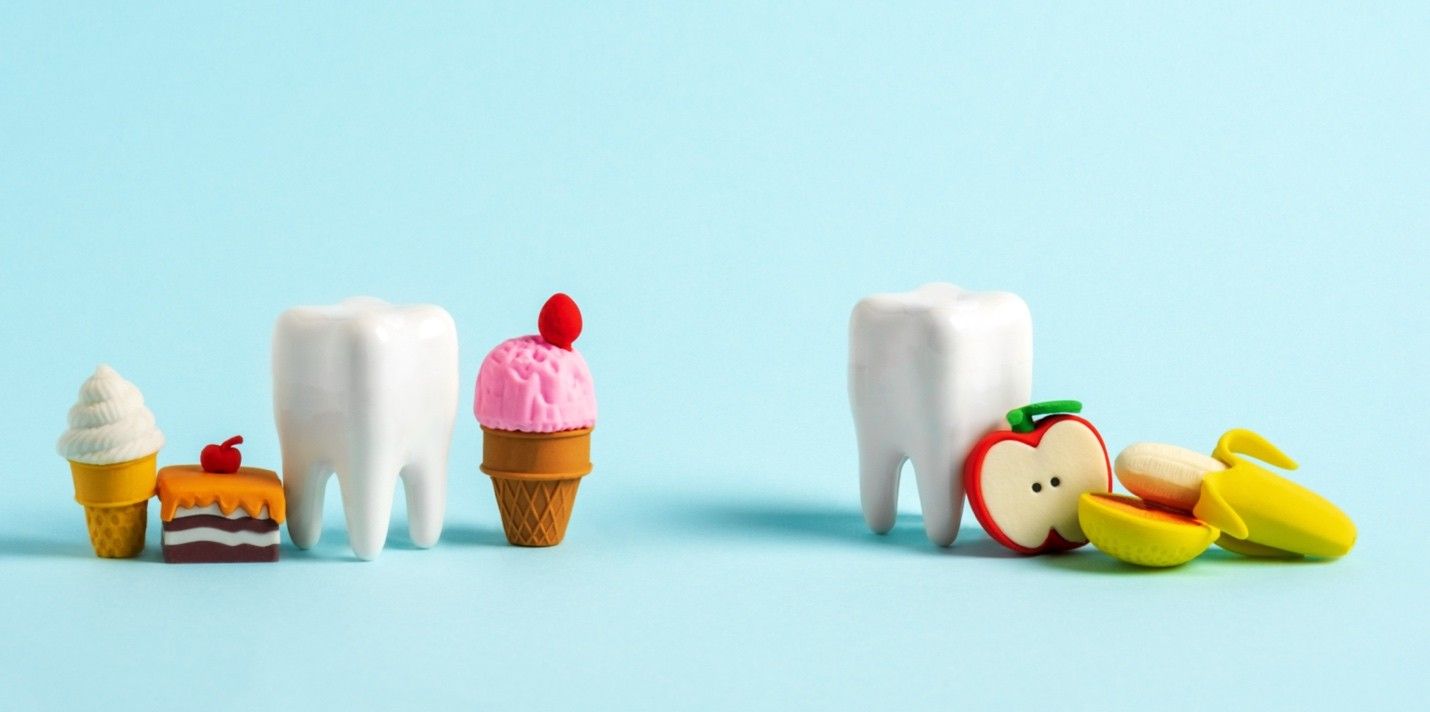
At Gateway Family Dentistry, we know maintaining a healthy smile involves more than brushing and flossing. The foods and drinks you consume daily play a major role in your oral health. A balanced diet may strengthen teeth and gums, while certain foods increase the risk of cavities, enamel erosion, and gum disease. Understanding how diet affects your teeth helps you make healthier choices that support a shinier, stronger smile.


How Your Diet Impacts Oral Health


Your mouth is constantly exposed to bacteria. When you consume sugary or starchy foods, bacteria feed on those particles and produce acids that attack tooth enamel. Over time, these acid attacks weaken enamel, leading to tooth decay.

Nutrient-rich foods help strengthen teeth, support healthy gums, and encourage saliva production. Saliva is vital because it also washes away food particles and neutralizes harmful acids in the mouth.


Foods That Help Your Smile


Certain foods provide vitamins and minerals that support strong teeth and healthy gums.


Dairy Products


Milk, cheese, and yogurt are high in calcium and phosphorus, which help strengthen tooth enamel. Cheese can also stimulate saliva production, helping reduce acid levels in the mouth.


Crunchy Fruits and Vegetables


Apples, carrots, and celery have high water content and fiber, which help clean teeth naturally while chewing. These foods also promote saliva secretion and help remove plaque buildup.


Leafy Greens


Spinach, kale, and a wide variety of leafy greens have large amounts of calcium, folic acid, and other vitamins that support gum health and overall oral wellness.


Lean Protein and Nuts


Foods such as chicken, fish, eggs, and almonds provide phosphorus and protein, both of which contribute to stronger teeth and the repair of enamel.


Water


Drinking water throughout the day rinses away debris and bacteria. Fluoridated water likewise strengthens enamel and prevents cavities.


Occasional treats are fine, but frequent exposure to sugary or acidic foods harms oral health.


Candy, cookies, and other sugary treats feed bacteria in the mouth, increasing acid production and the risk of cavities. Sticky candies are especially harmful because they cling to teeth longer.


Acidic Beverages


Soda, sports drinks, energy drinks, and citrus juices contain acids that eventually wear down enamel over time. Once enamel is weakened, teeth become more sensitive and vulnerable to decay.


Starchy Foods


Chips, crackers, and white bread may seem harmless, but starches break down into sugars that feed bacteria. These foods can also become trapped between teeth, contributing to plaque accumulation.


Frequent Snacking


Constant snacking exposes teeth to acid attacks over and over throughout the day. The time between meals allows saliva to protect and restore the mouth’s natural balance.


Protecting Your Smile Through Better Nutrition


Making smart diet choices promotes long-term oral health. Eating a balanced diet, limiting sweet snacks and drinks, and practicing good oral hygiene help reduce the risk of cavities and gum disease.


At Gateway Family Dentistry, we are committed to helping patients achieve healthy smiles through preventive dental care and education. Timely dental cleanings and exams allow us to identify concerns early and keep your teeth and gums in excellent condition.


If you have questions about your oral health or are due for a checkup, contact our office today to schedule an appointment, then take the next step toward an improved smile.


Read More From Gateway Family Dentistry

June 30, 2026
At Gateway Family Dentistry, we know that halitosis can impact your confidence and how you feel day to day. Occasional bad breath happens to everyone, but if it sticks around, it could point to a more serious oral health problem. Studying what causes bad breath and how to treat it can help you keep your breath fresh and your smile healthy. Common Causes of Bad Breath Bad breath can have many causes, from everyday habits to dental problems. Figuring out what’s behind it is the first step to finding the right solution. Poor Oral Hygiene Not brushing and flossing well enough is a major cause of bad breath. When food stays in your mouth, bacteria can grow and create bad smells. Plaque that builds up on your teeth and gums can also make bad breath stick around. Dry Mouth Saliva helps clean your mouth by washing away food and bacteria. If you don’t have enough saliva, bacteria can grow faster and cause bad breath. Dry mouth can occur while you sleep, from certain medicines, or due to certain health conditions. Gum Disease Persistent halitosis may point to gum disease. Bacteria under the gums produce toxins and odors that cause halitosis. Treating gum problems early can help keep your mouth healthy and your breath fresh. Certain Foods and Beverages Foods such as garlic, onions, and strong spices can cause temporary bad breath. Coffee and alcohol can also contribute to drying out your mouth. These smells usually go away, but good oral care can help reduce them. Ongoing mouth odor can increase the risk of gum disease, which may contribute to chronic bad breath. Quitting tobacco use benefits not only your breath but also your overall health. How to Treat Bad Breath The good news is that most bad breath can get better with good oral care and healthy habits. Brush and Floss Daily Brushing your teeth twice a day and flossing daily removes plaque that causes bad smells. Don’t forget to brush your tongue, since bacteria often build up there. Maintaining water intake throughout the day helps maintain saliva secretion and washes away bacteria. Maintaining hydration is especially important for individuals who experience dry mouth. Schedule Regular Dental Checkups Routine dental checkups and cleanings help prevent bad breath. Dentists can get rid of bacterial buildup that brushing can’t reach and spot signs of gum disease or other problems that may be causing halitosis. Antibacterial mouthwashes can briefly reduce bacteria and freshen breath. However, antibacterial mouthwashes can help reduce bacteria and freshen your breath temporarily. But remember, they should be used in addition to regular brushing and flossing, not instead of them. If your oral hygiene is poor, it may be time to visit your dentist. Chronic halitosis can sometimes be linked to gum disease, tooth decay, dry mouth, or other medical concerns that require specialist assessment. At Gateway Family Dentistry, we’re here to help you keep your smile healthy and confident with preventive care and helpful advice. Seeing us regularly lets us catch problems early and give you tips that fit your long-term oral health needs. If you’re dealing with persistent bad breath or need a dental checkup, give our office a call to schedule an appointment. We’re here to help you get fresher breath and a healthier smile.
Gum Disease and Your Overall Health: What’s the Connection?
May 1, 2026
At Gateway Family Dentistry, we recognize the strong link between oral health and overall wellness. Gum disease is a common, often overlooked...
Tooth Sensitivity: Causes, Treatments, and When to See a Dentist
By Bob Berendsen April 1, 2026
For many patients, tooth sensitivity can make simple routine moments uncomfortable. A sip of coffee, a bite of ice cream, or even brushing your...
Show More