
Gateway Family Dental Blog
Tooth Sensitivity: Causes, Treatments, and When to See a Dentist
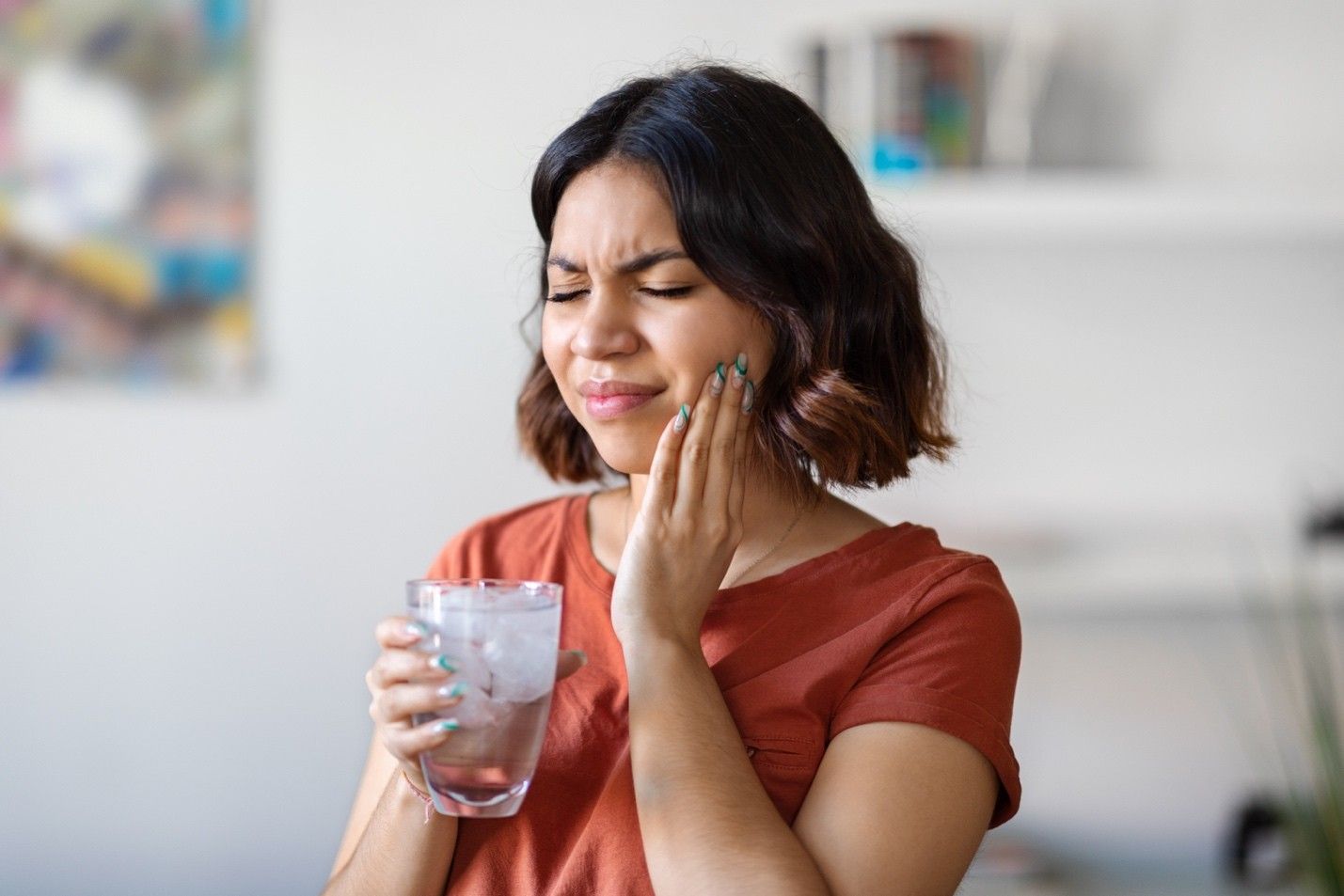
For many patients, tooth sensitivity can make simple routine moments uncomfortable. A sip of coffee, a bite of ice cream, or even brushing your teeth may trigger a sudden, sharp sensation. At Gateway Family Dentistry, we recognize how frustrating sensitive teeth can be and are committed to helping patients find relief. With modern dental care and an individualized approach, tooth sensitivity can often be managed and treated effectively.
Here’s what patients should know about the common causes of tooth sensitivity, available treatment options, and when it may be time to see a dentist.
Understanding Tooth Sensitivity
Tooth sensitivity usually occurs when the protective outer layer of the tooth wears down or the gums recede, exposing the underlying dentin. Dentin contains small channels leading to the tooth's nerve, making it more reactive to hot, cold, sweet, or acidic foods and drinks.
Some patients may experience occasional mild discomfort, while others notice more frequent or intense symptoms. Identifying the cause is the first step toward proper treatment.
Common Causes of Sensitive Teeth
Tooth sensitivity can develop for several reasons, including everyday habits and dental issues. Common causes include:
• Worn tooth enamel
• Gum recession
• Tooth decay or cavities
• Cracked or chipped teeth
• Teeth grinding or clenching
• Recent dental procedures
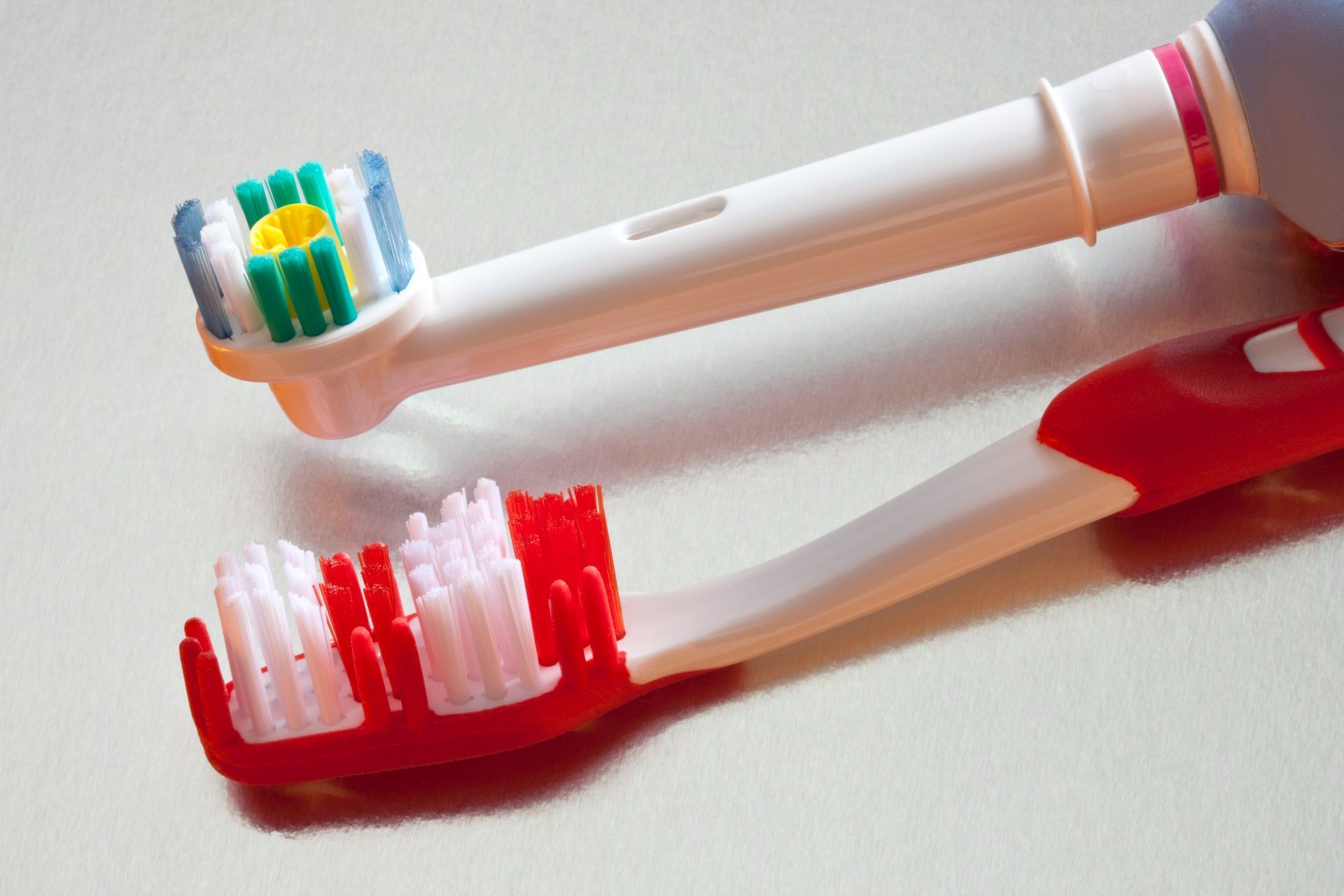
• Brushing too hard or using a hard-bristle toothbrush
Since several conditions can cause similar symptoms, a dental evaluation is often the best way to determine the source.
Treatment Options for Relief
The right treatment depends on the cause of the sensitivity. In many cases, conservative treatment can provide significant relief. Dentists may recommend:
• Desensitizing toothpaste
• Fluoride treatments to reinforce enamel
• Changes in brushing technique
• A softer toothbrush
• Dental bonding for exposed areas
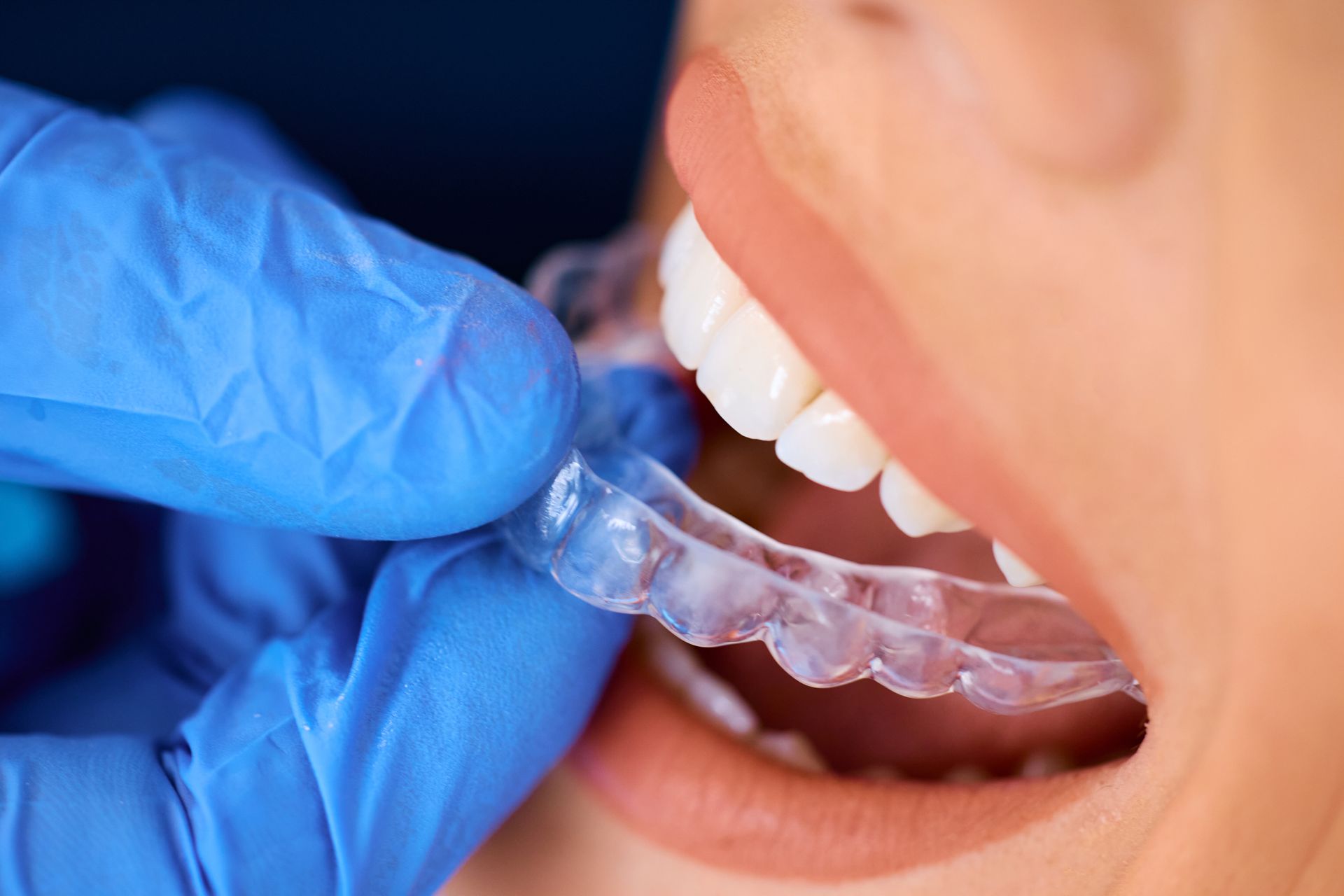
• A nightguard for teeth grinding
• Treatment for cavities or damaged teeth
Modern dentistry offers several ways to reduce discomfort and protect teeth from further irritation. Our team works to choose the option that best fits each patient’s needs.
At-Home Habits That Can Help
Daily habits can help control tooth sensitivity. Patients are encouraged to avoid aggressive brushing, limit acidic foods and beverages, and maintain regular brushing and flossing with sensitive-teeth products.
Good oral hygiene helps protect enamel and gum health, both of which are important for reducing sensitivity over time.
When Tooth Sensitivity May Signal a Bigger Problem
While mild sensitivity may be manageable, persistent or worsening discomfort should not be ignored. Sometimes, tooth sensitivity is a sign of a cavity, infection, cracked tooth, or gum disease. If left untreated, these issues can become more serious and may require more extensive care.
Warning signs that ought to prompt a dental visit include:
• Sensitivity that lasts or becomes more severe
• Pain when biting or chewing
• Swelling or gum irritation
• A visible crack, chip, or dark spot on a tooth
• Sensitivity focused on one specific tooth
Personalized, Patient-Focused Dental Care
At Gateway Family Dentistry, we believe patients deserve answers and relief. Our team carefully evaluates the source of tooth sensitivity and creates a treatment plan to improve comfort and protect long-term oral health. We concentrate on clear communication, gentle care, and practical solutions that help patients feel confident about their smiles.
Compassionate Care for a Healthier Smile
Tooth sensitivity can impede daily life, but you do not have to simply live with it. With the correct diagnosis and care, our patients enjoy lasting relief and better oral comfort.
At Gateway Family Dentistry, we are here to help you understand the cause of your symptoms and recommend the care you need. If sensitive teeth are affecting your day-to-day routine, schedule an appointment at once and take the next step toward a stronger, more comfortable smile.
Read More From Gateway Family Dentistry