
Gateway Family Dental Blog

Dental Anxiety: How Modern Dentistry Makes Visits Easier Than Ever
Understanding Receding Gums: Causes, Symptoms, and Treatment Options | Gateway

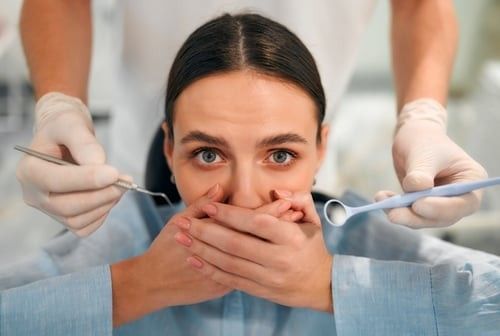
For many patients, going to the dentist can feel overbearing. Dental anxiety is normal and can prevent people from seeking the care they need to keep a healthy smile. At Gateway Family Dentistry, we understand these concerns and are committed to creating a comfortable, relaxing experience. Thanks to advancements in modern dentistry and a caring approach, dental visits are now easier and more manageable than ever before.

Here’s how today’s dental care is designed to reduce anxiety and help patients feel at ease.


Understanding Dental Anxiety

Dental anxiety may derive from a variety of factors, including fear of discomfort, previous unpleasant experiences, or uncertainty about procedures. Some patients may feel nervous about sounds, sensations, or even the anticipation of treatment.

Recognizing these concerns is the first step. Our team focuses on open communication, encouraging patients to share their worries so we can tailor care to their comfort level.


Comfort-Focused Preventive Care

Routine dental visits are essential, but they don’t have to be stressful. Preventive care, like cleanings and exams, are now gentler and more efficient than ever. Modern tools and techniques allow for thorough care with minimal discomfort.

Our team takes extra time to ensure patients feel relaxed, explaining each step of the process and checking in throughout the visit.


Advanced Technology for a Better Experience

Innovations in dental technology have transformed patient care. Digital imaging, quieter instruments, and minimally invasive techniques help reduce discomfort and shorten treatment times.

These advancements not only improve accuracy but also create a smoother, more comfortable experience for patients who may feel anxious about traditional procedures.


Sedation and Relaxation Options

For patients with any range of dental anxiety, additional support options are available. Depending on individual needs, dentists may offer methods to assist patients in remaining calm and relaxed during procedures.

From simple relaxation strategies to more advanced sedation options, care is personalized to ensure every patient feels safe and comfortable.


Clear Communication and Patient Education

One of the most effective ways to reduce anxiety is through understanding. When patients know what to expect, they often feel more in control and less fearful.

At Gateway Family Dentistry, we walk patients through procedures, answer questions, and deliver clear explanations. This approach develops trust and helps eliminate the fear of the unknown.


Flexible, Patient-Focused Care

Modern dentistry focuses on the patient experience as much as the treatment itself. Flexible scheduling, a warm environment, and a caring team all contribute to a more positive visit.

We strive to design an environment where patients of all ages feel respected, heard, and cared for every step of the way.


Compassionate Care for Every Patient

Dental anxiety should never stand in the way of a healthy smile. With today’s improvements and an emphasis on comfort, dental care is more accessible and user-friendly than ever.

At Gateway Family Dentistry, we are dedicated to helping patients overcome fear and feel confident about their oral health. Whether it’s your first visit in years or a routine checkup, our team is here to support you.

If dental anxiety has been holding you back, schedule an appointment today and experience a new approach to care—one that puts your comfort first and your smile within reach.


Read More From Gateway Family Dentistry

June 30, 2026
At Gateway Family Dentistry, we know that halitosis can impact your confidence and how you feel day to day. Occasional bad breath happens to everyone, but if it sticks around, it could point to a more serious oral health problem. Studying what causes bad breath and how to treat it can help you keep your breath fresh and your smile healthy. Common Causes of Bad Breath Bad breath can have many causes, from everyday habits to dental problems. Figuring out what’s behind it is the first step to finding the right solution. Poor Oral Hygiene Not brushing and flossing well enough is a major cause of bad breath. When food stays in your mouth, bacteria can grow and create bad smells. Plaque that builds up on your teeth and gums can also make bad breath stick around. Dry Mouth Saliva helps clean your mouth by washing away food and bacteria. If you don’t have enough saliva, bacteria can grow faster and cause bad breath. Dry mouth can occur while you sleep, from certain medicines, or due to certain health conditions. Gum Disease Persistent halitosis may point to gum disease. Bacteria under the gums produce toxins and odors that cause halitosis. Treating gum problems early can help keep your mouth healthy and your breath fresh. Certain Foods and Beverages Foods such as garlic, onions, and strong spices can cause temporary bad breath. Coffee and alcohol can also contribute to drying out your mouth. These smells usually go away, but good oral care can help reduce them. Ongoing mouth odor can increase the risk of gum disease, which may contribute to chronic bad breath. Quitting tobacco use benefits not only your breath but also your overall health. How to Treat Bad Breath The good news is that most bad breath can get better with good oral care and healthy habits. Brush and Floss Daily Brushing your teeth twice a day and flossing daily removes plaque that causes bad smells. Don’t forget to brush your tongue, since bacteria often build up there. Maintaining water intake throughout the day helps maintain saliva secretion and washes away bacteria. Maintaining hydration is especially important for individuals who experience dry mouth. Schedule Regular Dental Checkups Routine dental checkups and cleanings help prevent bad breath. Dentists can get rid of bacterial buildup that brushing can’t reach and spot signs of gum disease or other problems that may be causing halitosis. Antibacterial mouthwashes can briefly reduce bacteria and freshen breath. However, antibacterial mouthwashes can help reduce bacteria and freshen your breath temporarily. But remember, they should be used in addition to regular brushing and flossing, not instead of them. If your oral hygiene is poor, it may be time to visit your dentist. Chronic halitosis can sometimes be linked to gum disease, tooth decay, dry mouth, or other medical concerns that require specialist assessment. At Gateway Family Dentistry, we’re here to help you keep your smile healthy and confident with preventive care and helpful advice. Seeing us regularly lets us catch problems early and give you tips that fit your long-term oral health needs. If you’re dealing with persistent bad breath or need a dental checkup, give our office a call to schedule an appointment. We’re here to help you get fresher breath and a healthier smile.
How Diet Affects Your Teeth: Foods That Help and Harm Your Smile
May 31, 2026
At Gateway Family Dentistry, we know maintaining a healthy smile involves more than brushing and flossing. The foods and drinks you consume daily play a major role in your oral health.
Gum Disease and Your Overall Health: What’s the Connection?
May 1, 2026
At Gateway Family Dentistry, we recognize the strong link between oral health and overall wellness. Gum disease is a common, often overlooked...
Show More