
Gateway Family Dental Blog
Tooth decay can affect anyone, no matter their age or habits. Cavities don’t just cause pain—they can lead to infections, tooth loss, and even impact overall health. While regular dental visits are important, daily care and mindful habits play a big part in keeping your teeth strong and healthy.
Let’s explain what cavities are, why they form, and the most effective ways to protect your teeth from decay.
Understanding How Cavities Form
Cavities, also known as dental caries, develop when bacteria in your mouth produce acids that erode the tooth’s enamel. Every time you eat or drink something sugary or starchy, bacteria feed on these substances and release acid. Over time, this acid weakens the enamel, leading to small holes or cavities.
Poor oral hygiene, frequent snacking, and skipping dental cleanings can make this process faster. Once a cavity forms, it cannot heal on its own, which is why early prevention is so important.
Brushing Teeth the Right Way
Brushing twice a day is one of the most effective ways to remove plaque and food particles that can cause decay. However, how you brush matters as much as how often you do it.
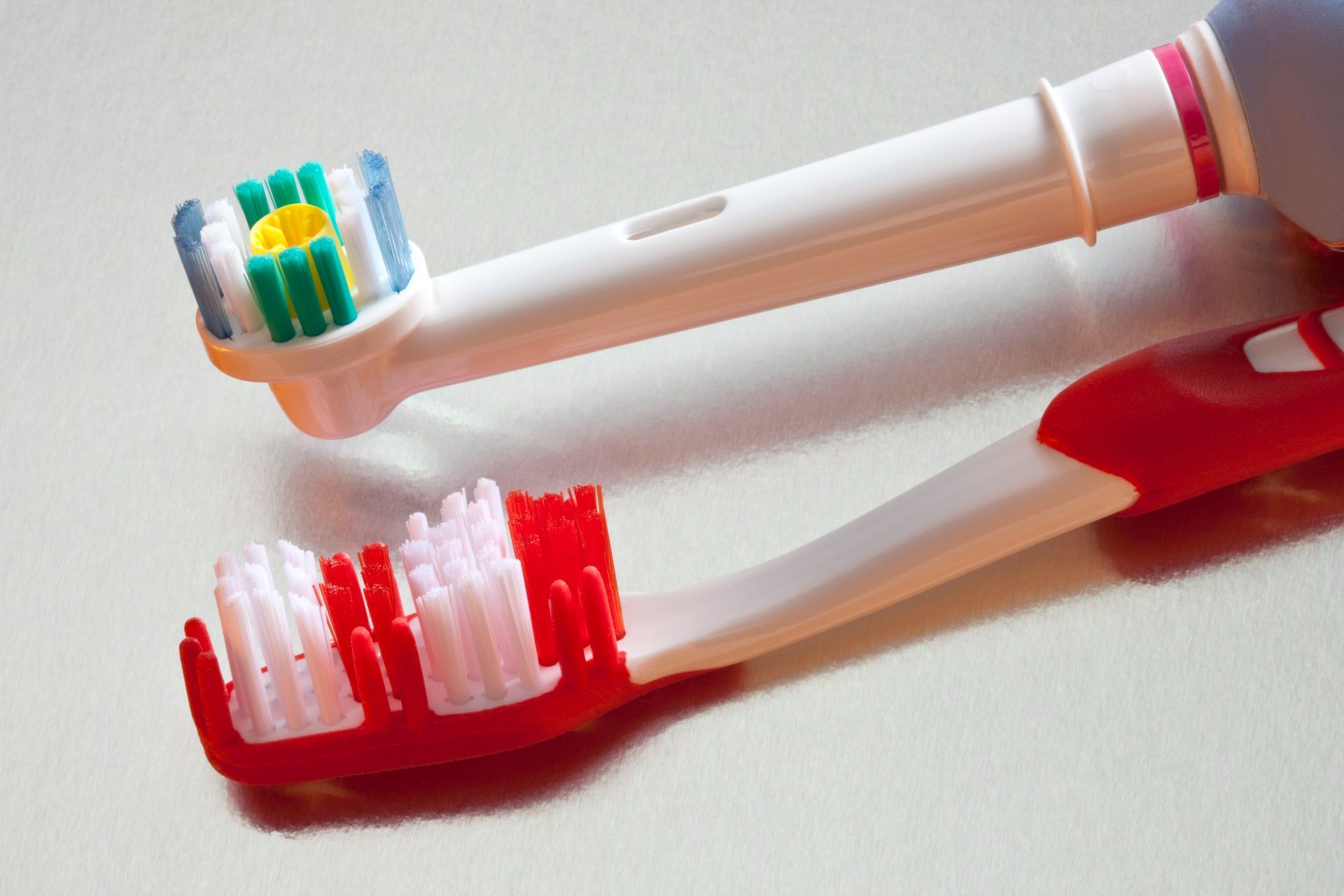
Use a soft-bristle toothbrush and fluoride toothpaste. Brush all surfaces of your teeth, including the front, back, and chewing areas, for at least two minutes. Replace your toothbrush every three months or sooner if the bristles are worn out.
Rushing through brushing or skipping areas can leave bacteria behind, which may lead to cavities in hard-to-reach spots.
Flossing to Reach Where Brushing Can’t
Even the best brushing routine can miss the spaces between your teeth. That’s where flossing comes in. It removes plaque and food debris from tight areas that a toothbrush cannot reach.
Floss at least once a day, preferably before bedtime. Be gentle to avoid injuring your gums, and guide the floss along the sides of each tooth. Regular flossing not only prevents cavities but also reduces the risk of gum disease.
Choosing Foods That Support Healthy Teeth
Diet has a major impact on oral health. Sugary snacks, sticky candies, and soft drinks feed cavity-causing bacteria. On the other hand, foods high in calcium, fiber, and water help protect teeth.
Eating fresh fruits, vegetables, and dairy products can help neutralize acids and strengthen enamel. Drinking water instead of soda or juice helps wash away food particles and keeps your mouth hydrated.
Try to limit snacking between meals, as frequent eating gives bacteria more chances to produce acid.
Using Fluoride for Stronger Teeth
Fluoride is a natural mineral that strengthens enamel and helps protect against decay. Most toothpaste and many public water supplies contain fluoride, which helps reduce cavity risk.
If your drinking water doesn’t have fluoride or you’re prone to cavities, your dentist may suggest fluoride treatments or rinses. Regular exposure to fluoride keeps enamel more resistant to acid attacks.
Visiting the Dentist Regularly
Dental checkups are not just for when something hurts. Regular visits help detect early signs of cavities and other problems before they worsen. Professional cleanings remove plaque and tartar that brushing and flossing can’t reach.
Your dentist can also guide you on how to care for your teeth based on your specific needs. Visiting twice a year is usually recommended, but your dentist may suggest a different schedule depending on your oral health.
Protecting Teeth During Childhood
Cavity prevention should start early. Children are more likely to develop decay due to irregular brushing or a diet high in sugar. Parents can help by supervising brushing and flossing and limiting sugary snacks.
Dental sealants are another effective way to protect children’s teeth. Sealants are thin coatings applied to the chewing surfaces of back teeth, creating a barrier against bacteria and food particles.
Avoiding Habits That Damage Teeth
Some everyday habits can harm your teeth without you realizing it. Chewing ice, biting nails, or using your teeth to open packages can cause cracks or wear down enamel. Smoking and frequent alcohol use also increase the risk of cavities and gum disease.
Being mindful of these habits can help preserve your teeth and prevent future dental problems.
Recognizing Early Signs of Cavities
Early detection can prevent small problems from becoming serious. Common signs include tooth sensitivity, mild pain when eating sweets or hot foods, and visible pits or dark spots on the teeth.
If you notice any of these symptoms, schedule a dental visit promptly. Early treatment can stop decay and save your tooth from more invasive procedures later on.
Maintaining a Consistent Oral Care Routine
Consistency is key to preventing cavities. Brushing, flossing, and visiting the dentist should be part of your regular routine. Pairing good oral care with a balanced diet and mindful habits can make a lasting difference.
Your teeth are meant to last a lifetime, but that depends on the care you give them each day. Protecting yourself from cavities doesn’t require complicated steps—just steady, thoughtful habits that keep your smile healthy.
Final Thoughts
Cavities are one of the most common dental problems, but they’re also among the most preventable. By brushing correctly, flossing daily, eating well, and visiting your dentist regularly, you can maintain strong and healthy teeth.
Good oral care is not just about avoiding pain—it’s about preserving the strength and confidence that come with a healthy smile.
Keep your smile healthy and cavity-free with expert care from Gateway Family Dentistry. Our friendly team is here to help you protect your teeth with personalized treatments and preventive care for the whole family. Book your appointment today and take the first step toward a stronger, brighter smile.
Read More From Gateway Family Dentistry