
Gateway Family Dental Blog
Understanding Receding Gums: Causes, Symptoms, and Treatment Options
Sometimes, the first sign of trouble is simply noticing your teeth look a little “longer” than before. That subtle shift is often a sign of receding gums, a condition that can quietly affect your smile and oral health over time. But here’s the good news: once you understand why it happens, spotting the symptoms early and getting the right care becomes easy.
Here’s a simple, expert-backed look at what causes receding gums, how to recognize them, and the best ways to treat and prevent them.
Causes of Receding Gums
1. Brushing Too Hard
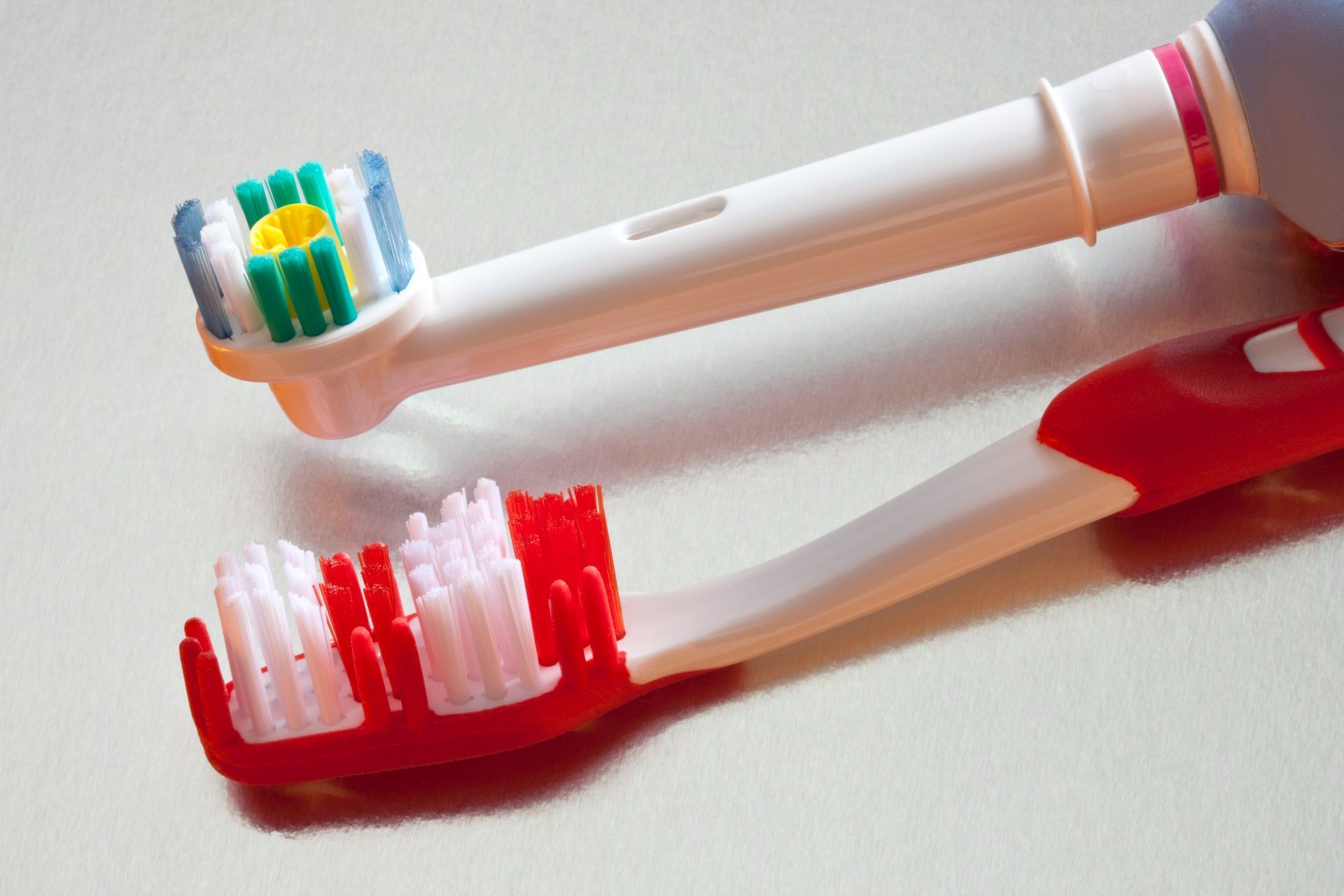
Brushing isn’t about strength; it’s about technique. Using too much force or a hard-bristled toothbrush can wear down your enamel and push the gumline backward. Switching to a soft brush and gentle circular motions protects your gums without compromising cleanliness.
2. Gum Disease
The most common cause is periodontal disease, a bacterial infection that damages gum tissue and bone. Without timely Gum Treatment, inflammation can cause gums to detach from teeth, forming deep pockets that worsen over time.
3. Genetics
Sometimes, your genes play a role. If your family has a history of thin or delicate gum tissue, you may naturally be more prone to recession even with great hygiene. Regular checkups with dental experts can help manage this risk early.
4. Teeth Grinding and Clenching
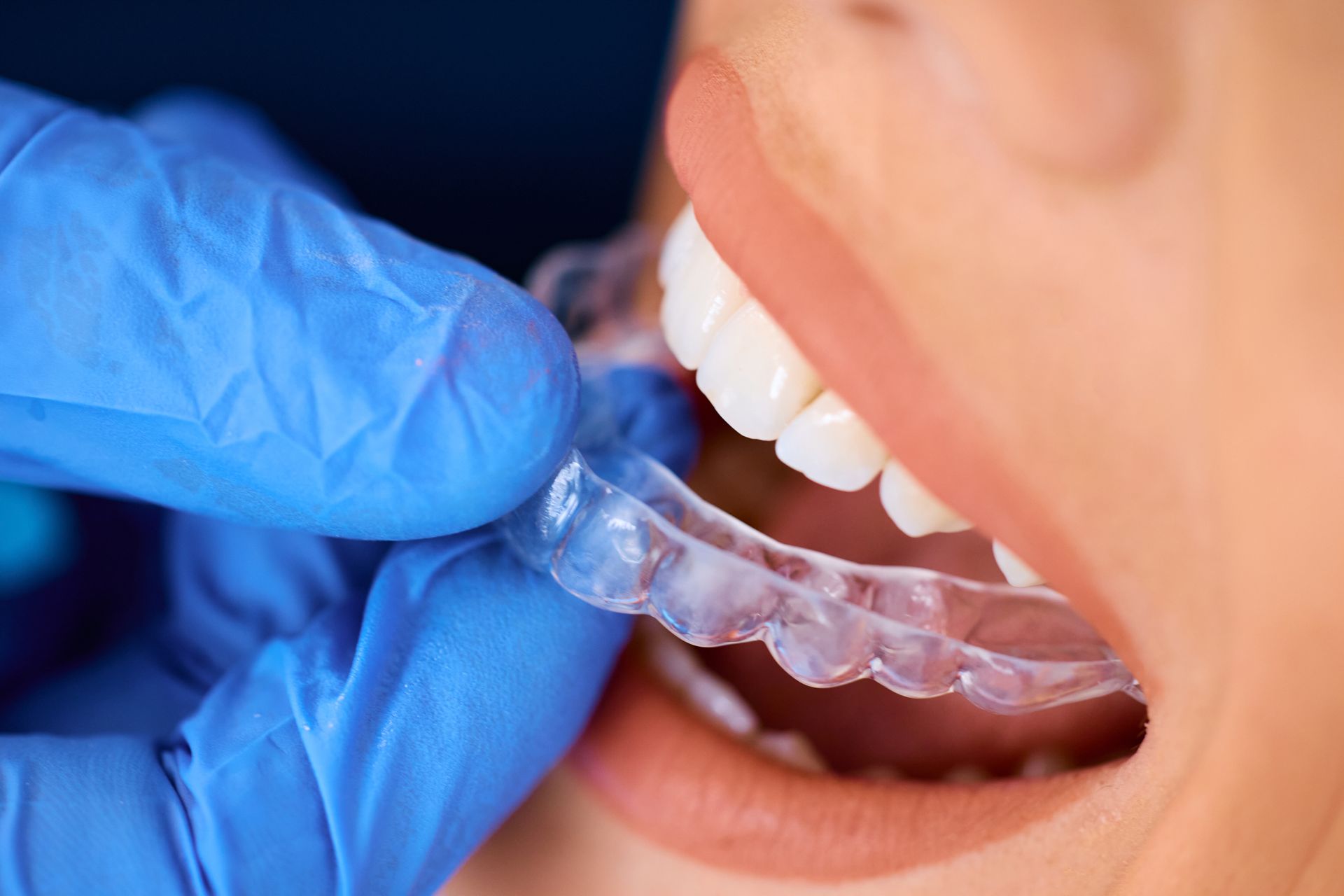
When you grind or clench your teeth, the pressure can cause gums to recede. Night guards and stress management often protect both your teeth and gums from this ongoing strain.
5. Poor Oral Habits
Smoking, skipping dental cleaning, or neglecting proper flossing can speed up gum recession. These habits reduce oxygen flow and slow healing, two things healthy gums absolutely need.
Symptoms of Receding Gums
1. Increased Tooth Sensitivity
Feeling a sharp twinge when you sip coffee or eat ice cream? That’s one of the first signs of gum recession. Exposed roots react strongly to temperature changes, since they lack the protective enamel that covers the rest of the tooth. Over time, even breathing in cool air can trigger discomfort.
2. Longer-Looking Teeth
When gums recede, teeth appear taller or longer than usual. It’s often the most visible clue that the gumline is pulling away. This change can also expose uneven gum levels, making your smile look slightly asymmetrical. In advanced cases, darker root surfaces may become visible near the base of the teeth. These are strong visual cues that your gums need attention ideally before root exposure leads to deeper structural damage.
3. Swelling or Redness
Healthy gums are firm and pink. If they start to appear red, puffy, or irritated, it may indicate infection or early gum disease, both closely linked to gum recession. Swelling is the body’s way of responding to bacterial buildup or inflammation beneath the surface. Persistent redness or bleeding during brushing means your gums are already under stress. A professional gum treatment can help eliminate bacteria and restore balance before more tissue loss occurs.
4. Small Gaps or Pockets
You might feel small gaps between your teeth and gums or notice food getting stuck more easily. These “pockets” can harbor bacteria and worsen the issue if left untreated. As plaque builds up in these spaces, it deepens the pocket and damages the supporting bone. Regular cleaning and early scaling can remove hidden debris before it triggers full-blown periodontal disease. Catching this stage early is one of the best ways to stop gum recession from spreading.
5. Loose or Shifting Teeth
Advanced gum recession can affect the bone supporting your teeth, leading to mobility or a change in bite alignment. This happens when gum tissue and underlying bone begin to deteriorate, reducing the stability that holds each tooth in place. You might notice your teeth feel slightly different when you chew or that your smile spacing has changed subtly over time. At this point, only timely care from experienced dentists can help restore gum health and prevent long-term tooth loss.
Treatment Options for Receding Gums
Professional Cleaning and Scaling
For mild gum recession, a deep dental cleaning or scaling and root planing removes bacteria beneath the gumline and smooths the root surfaces, allowing tissue to heal naturally.
Gum Grafting
If the gum loss is significant, dentists may perform a graft using tissue from another part of your mouth or donor material to rebuild the gumline. It’s a common and effective gum treatment that restores both function and appearance.
Laser Therapy
Modern laser technology can target and remove infected tissue gently, promoting faster healing with minimal discomfort. It’s often part of advanced periodontal care plans.
Desensitizing and Regenerative Treatments
For sensitivity, special varnishes or bonding agents can cover exposed roots, easing discomfort. Regenerative gels are sometimes applied to encourage new tissue growth.
Sedation for Comfort
For patients nervous about dental procedures, sedation dentistry ensures a calm, pain-free experience. Whether through mild oral sedation or nitrous oxide, it helps you relax while your dentist restores your gum health.
A Healthier Smile Starts Here
Receding gums aren’t just a cosmetic concern; they’re your body’s gentle nudge to pay attention. With timely care, good daily habits, and the right dental support, your gums can recover beautifully.
Gateway Family Dentistry brings everything you need under one roof, expert care for gums, teeth, and complete oral health.
Get in touch today to schedule your appointment and take the first confident step toward healthier gums and a happier smile.
Read More From Gateway Family Dentistry