
Gateway Family Dental Blog

Top 5 Bad Habits to Avoid for Healthy Teeth
Top 5 Bad Habits to Avoid for Healthy Teeth | Gateway

We all know the basics of good oral hygiene — brushing twice a day, flossing regularly, and visiting the dentist for cleanings. But even with these good intentions, many of us have small daily habits that can quietly harm our teeth over time.


At Gateway Family Dentistry, our goal is to help you maintain a healthy, beautiful smile for life. Understanding which habits to avoid — and how to replace them with better ones — is a big step toward long-term oral health.

Here are the top five habits that can damage your teeth and gums, along with tips for how to break them.


1. Brushing Too Hard

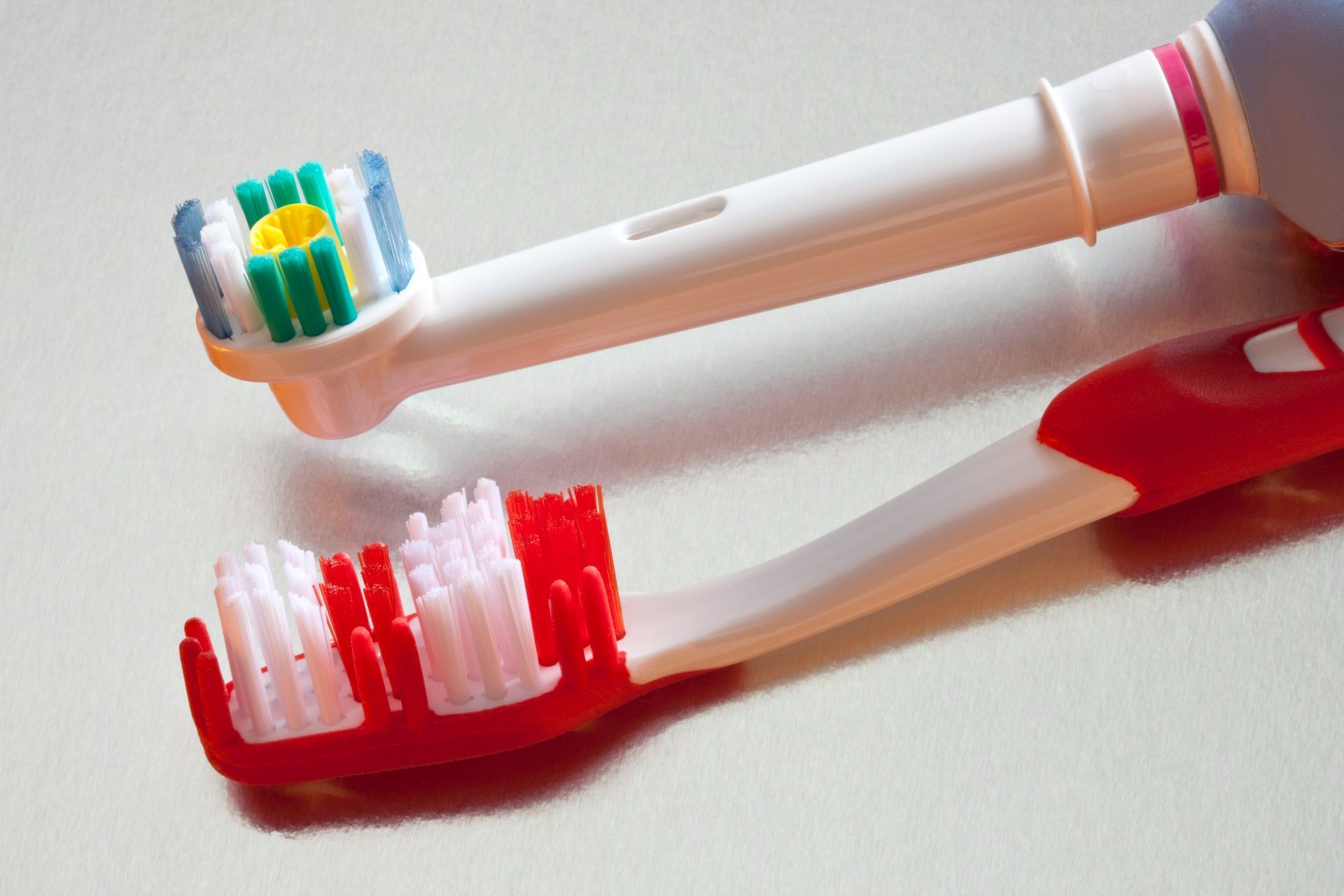
You might think scrubbing your teeth harder will make them cleaner, but brushing too aggressively actually wears down enamel and irritates your gums. Over time, this can lead to gum recession, tooth sensitivity, and even increased risk of cavities.


Why it’s harmful:

  • Enamel — the hard, protective layer of your teeth — doesn’t grow back once it’s worn away.
  • Excessive pressure can cause gums to recede, exposing the roots of your teeth.
  • Brushing too hard can flatten the bristles on your toothbrush, making them less effective.

Better habit:

  • Use a soft-bristled toothbrush and gentle, circular motions instead of scrubbing back and forth.
  • Hold your toothbrush at a 45-degree angle to your gumline.
  • Replace your toothbrush every three to four months, or sooner if the bristles start to fray.

Remember, it’s about technique, not force — think of brushing as a massage for your teeth, not a deep scrub.


2. Chewing Ice or Using Teeth as Tools

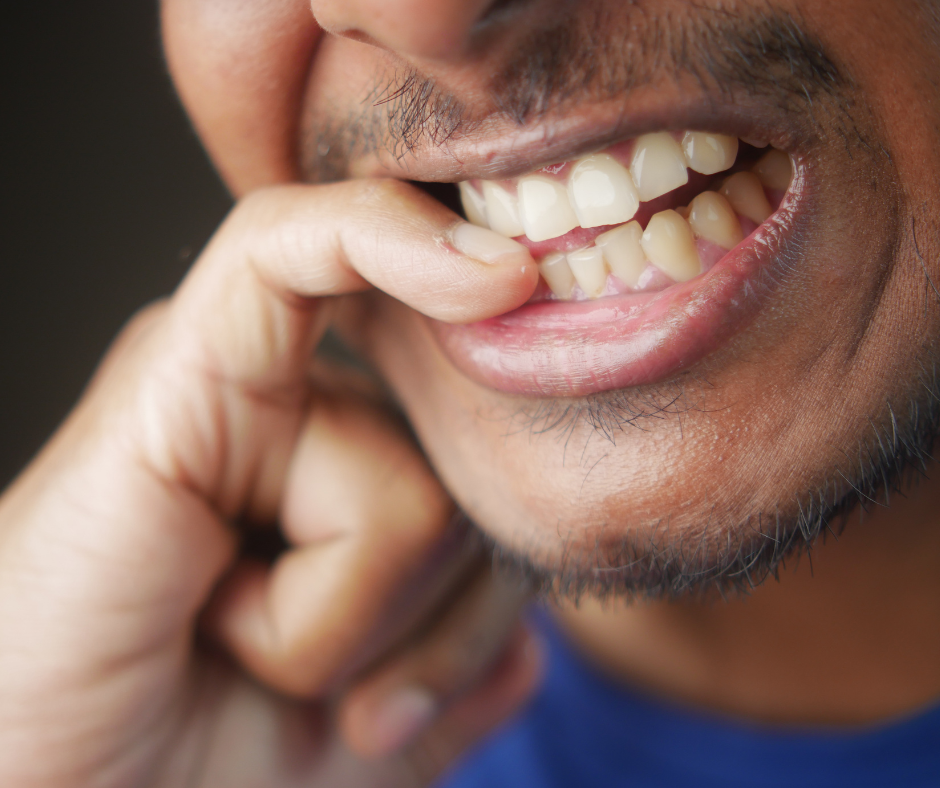
Crunching on ice cubes, opening packages, or even biting your nails might seem harmless, but these habits can quickly lead to chips, cracks, or wear on your teeth.


Why it’s harmful:

  • Ice is hard and cold, which can cause enamel to fracture or weaken.
    Using your teeth to open bottles or packaging puts unnatural pressure on them, increasing the risk of breakage.
  • Nail-biting introduces bacteria into your mouth and can shift your teeth out of alignment over time.

Better habit:

  • Avoid chewing ice altogether — if you crave the crunch, switch to chilled water or crushed ice.
  • Always use proper tools like scissors or bottle openers instead of your teeth.
  • If you tend to bite your nails, keep them trimmed short and find stress-relief alternatives like a stress ball or sugar-free gum.


3. Grinding or Clenching Your Teeth

Many people clench or grind their teeth — often without realizing it. This habit, known as bruxism, commonly occurs during sleep or periods of stress.


Why it’s harmful:

  • Grinding wears down tooth enamel, making teeth more vulnerable to cavities and sensitivity.
  • It can lead to jaw pain, headaches, and even cracked or broken teeth.
  • Long-term clenching can strain the temporomandibular joint (TMJ), which controls jaw movement.

Better habit:

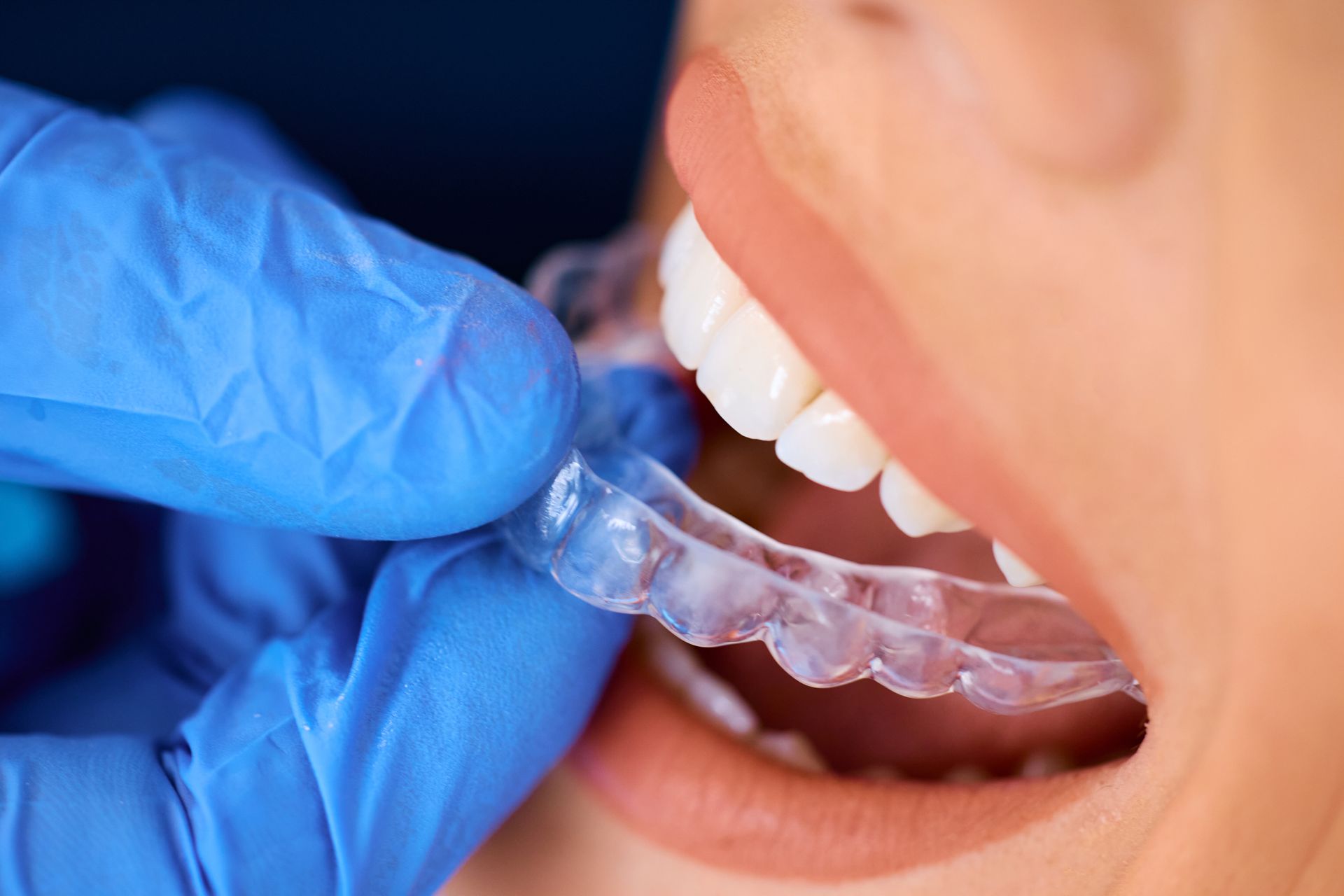
  • If you grind your teeth at night, ask your dentist about a custom nightguard to protect them.
  • Practice stress-reduction techniques like meditation, deep breathing, or light exercise.
  • Avoid caffeine and alcohol in the evening — both can increase nighttime grinding.


4. Constant Snacking and Sugary Drinks

Even if you brush regularly, frequent snacking or sipping on sugary beverages throughout the day can take a toll on your teeth. Every time you eat or drink, bacteria in your mouth feed on the sugars and produce acid that attacks enamel.


Why it’s harmful:

  • Constant exposure to acid weakens enamel, leading to cavities and tooth decay.
  • Sticky or sugary snacks cling to teeth, keeping harmful bacteria active longer.
  • Acidic drinks — like soda, sports drinks, and fruit juices — erode enamel and stain teeth over time.

Better habit:

  • Limit sugary or acidic drinks to mealtimes, when saliva production helps neutralize acids.
  • Rinse your mouth with water after snacking or drinking sugary beverages.
  • Choose tooth-friendly snacks such as cheese, yogurt, nuts, or crunchy vegetables.
  • Drink plenty of water throughout the day to wash away food particles and bacteria.


5. Skipping Flossing or Dental Visits

Brushing alone only cleans about 60% of your tooth surfaces. The remaining 40% — the spaces between your teeth — can trap food and plaque that brushing can’t reach. When you skip flossing or regular dental checkups, plaque hardens into tartar, increasing your risk of gum disease and tooth decay.


Why it’s harmful:

  • Plaque buildup leads to gum inflammation (gingivitis), which can progress to gum disease if left untreated.
  • Unchecked tartar and bacteria can cause bone loss around teeth, leading to loosening or even tooth loss.
  • Skipping routine exams means small issues can turn into major problems before you notice symptoms.

Better habit:

  • Floss daily to remove plaque and debris between teeth and along the gumline.
  • Use floss picks or a water flosser if traditional flossing feels difficult.
  • Visit your dentist every six months for cleanings and exams — more often if you have a history of gum disease or frequent cavities.

Preventive care is far easier and less expensive than fixing advanced dental problems later.


Other Habits to Watch Out For

While these five are the most common culprits, other behaviors can also harm your smile:


  • Smoking or vaping: Tobacco products stain teeth, reduce blood flow to the gums, and increase your risk of oral cancer.
  • Ignoring dry mouth: Saliva helps protect your teeth; drink plenty of water and talk to your dentist if medications cause dryness.
  • Brushing right after eating acidic foods: Acid softens enamel; wait at least 30 minutes before brushing.

Being mindful of these small choices can go a long way toward keeping your teeth healthy and strong.


A Healthier Smile Starts with Better Habits

Breaking bad habits takes time, but your teeth and gums will thank you for it. A strong, healthy smile isn’t just about looking good — it’s essential for your overall health, too. By protecting your enamel, caring for your gums, and staying proactive with dental visits, you can prevent many common problems before they start.


At Gateway Family Dentistry, our friendly team is committed to helping patients of all ages maintain optimal oral health. Whether you need a routine cleaning, advice on your brushing technique, or treatment for damaged teeth, we’re here to guide you every step of the way.


If you’re ready to improve your dental habits and protect your smile, contact Gateway Family Dentistry today to schedule your next appointment. Together, we’ll help you build healthier habits for a lifetime of confident, beautiful smiles.

Read More From Gateway Family Dentistry
July 31, 2026
At Gateway Family Dentistry , we recognize that selecting the right toothbrush is essential for oral health. Many patients ask whether electric toothbrushes are better than manual ones. Both can clean teeth effectively when used correctly, but dentists often recommend electric toothbrushes for certain patients because they make brushing easier, more consistent, and more effective. Knowing the differences between electric and manual toothbrushes will help you choose the best option for your oral health. Electric vs. Manual Toothbrushes: What’s the Difference? Both electric and manual toothbrushes remove plaque, food particles, and bacteria. The main difference is how the brushing motion is generated. A manual toothbrush relies on your brushing technique, while an electric toothbrush uses powered movements, such as rotating, oscillating, or vibrating, to clean your teeth. For many, an electric toothbrush makes it easier to maintain proper brushing habits and reach areas that may be missed with a manual brush. Benefits of Using an Electric Toothbrush More Consistent Brushing Motion A key advantage of electric toothbrushes is their consistent brushing motion. Many people do not brush long enough or use proper technique with manual brushes. Electric toothbrushes provide steady movements that can improve plaque removal. Some models include built-in timers to help ensure you brush for the recommended two minutes, supporting healthy brushing habits. Helpful for People With Limited Mobility Electric toothbrushes are very helpful for those with limited hand, wrist, or arm mobility. The powered brush head reduces effort, making brushing easier for people with arthritis or other dexterity challenges. Improved Plaque Removal Research shows that some electric toothbrushes may remove more plaque and minimize the risk of gingivitis compared to manual brushes when used correctly. Regular plaque removal is important to stop oral health issues from happening. Pressure Control Features Many electric toothbrushes have pressure sensors that alert you if you brush too hard. Excessive pressure can irritate gums and wear down enamel. Pressure sensors help protect your teeth and encourage better brushing habits. Are Manual Toothbrushes Still Effective? Yes, a manual toothbrush can still clean effectively when used properly. The most important factors are your technique, brushing frequency, and reaching all areas of your mouth. When using a manual toothbrush, dentists recommend a soft-bristled brush and gentle circular motions. Avoid brushing too aggressively to protect your gums and enamel; focus on thorough, gentle cleaning. What Do Dentists Recommend? At Gateway Family Dentistry , we believe the best toothbrush is the one you use consistently and correctly. For those who struggle with technique, need extra help removing plaque, or possess specific oral health concerns, an electric toothbrush may be a good choice. A manual toothbrush can also be effective when combined with proper brushing habits and regular dental care. Your dentist can help you make the best choice based on your needs, goals, and lifestyle. Regular Dental Care Keeps Your Smile Healthy Whether you use an electric or manual toothbrush, daily brushing and flossing are essential for a healthy smile. Regular dental checkups and professional cleanings help remove buildup, prevent issues, and detect concerns early. At Gateway Family Dentistry , our team is devoted to helping patients keep up with healthy smiles through personalized preventive care and education. We are happy to answer your questions about toothbrushes, brushing techniques, and oral health protection. If you are due for a dental visit or would like customized advice on improving your oral hygiene, contact Gateway Family Dentistry to schedule an appointment. We are here to help you achieve a healthier smile. 
June 30, 2026
At Gateway Family Dentistry, we know that halitosis can impact your confidence and how you feel day to day. Occasional bad breath happens to everyone, but if it sticks around, it could point to a more serious oral health problem. Studying what causes bad breath and how to treat it can help you keep your breath fresh and your smile healthy. Common Causes of Bad Breath Bad breath can have many causes, from everyday habits to dental problems. Figuring out what’s behind it is the first step to finding the right solution. Poor Oral Hygiene Not brushing and flossing well enough is a major cause of bad breath. When food stays in your mouth, bacteria can grow and create bad smells. Plaque that builds up on your teeth and gums can also make bad breath stick around. Dry Mouth Saliva helps clean your mouth by washing away food and bacteria. If you don’t have enough saliva, bacteria can grow faster and cause bad breath. Dry mouth can occur while you sleep, from certain medicines, or due to certain health conditions. Gum Disease Persistent halitosis may point to gum disease. Bacteria under the gums produce toxins and odors that cause halitosis. Treating gum problems early can help keep your mouth healthy and your breath fresh. Certain Foods and Beverages Foods such as garlic, onions, and strong spices can cause temporary bad breath. Coffee and alcohol can also contribute to drying out your mouth. These smells usually go away, but good oral care can help reduce them. Ongoing mouth odor can increase the risk of gum disease, which may contribute to chronic bad breath. Quitting tobacco use benefits not only your breath but also your overall health. How to Treat Bad Breath The good news is that most bad breath can get better with good oral care and healthy habits. Brush and Floss Daily Brushing your teeth twice a day and flossing daily removes plaque that causes bad smells. Don’t forget to brush your tongue, since bacteria often build up there. Maintaining water intake throughout the day helps maintain saliva secretion and washes away bacteria. Maintaining hydration is especially important for individuals who experience dry mouth. Schedule Regular Dental Checkups Routine dental checkups and cleanings help prevent bad breath. Dentists can get rid of bacterial buildup that brushing can’t reach and spot signs of gum disease or other problems that may be causing halitosis. Antibacterial mouthwashes can briefly reduce bacteria and freshen breath. However, antibacterial mouthwashes can help reduce bacteria and freshen your breath temporarily. But remember, they should be used in addition to regular brushing and flossing, not instead of them. If your oral hygiene is poor, it may be time to visit your dentist. Chronic halitosis can sometimes be linked to gum disease, tooth decay, dry mouth, or other medical concerns that require specialist assessment. At Gateway Family Dentistry, we’re here to help you keep your smile healthy and confident with preventive care and helpful advice. Seeing us regularly lets us catch problems early and give you tips that fit your long-term oral health needs. If you’re dealing with persistent bad breath or need a dental checkup, give our office a call to schedule an appointment. We’re here to help you get fresher breath and a healthier smile.
How Diet Affects Your Teeth: Foods That Help and Harm Your Smile
May 31, 2026
At Gateway Family Dentistry, we know maintaining a healthy smile involves more than brushing and flossing. The foods and drinks you consume daily play a major role in your oral health.
Show More