
Gateway Family Dental Blog
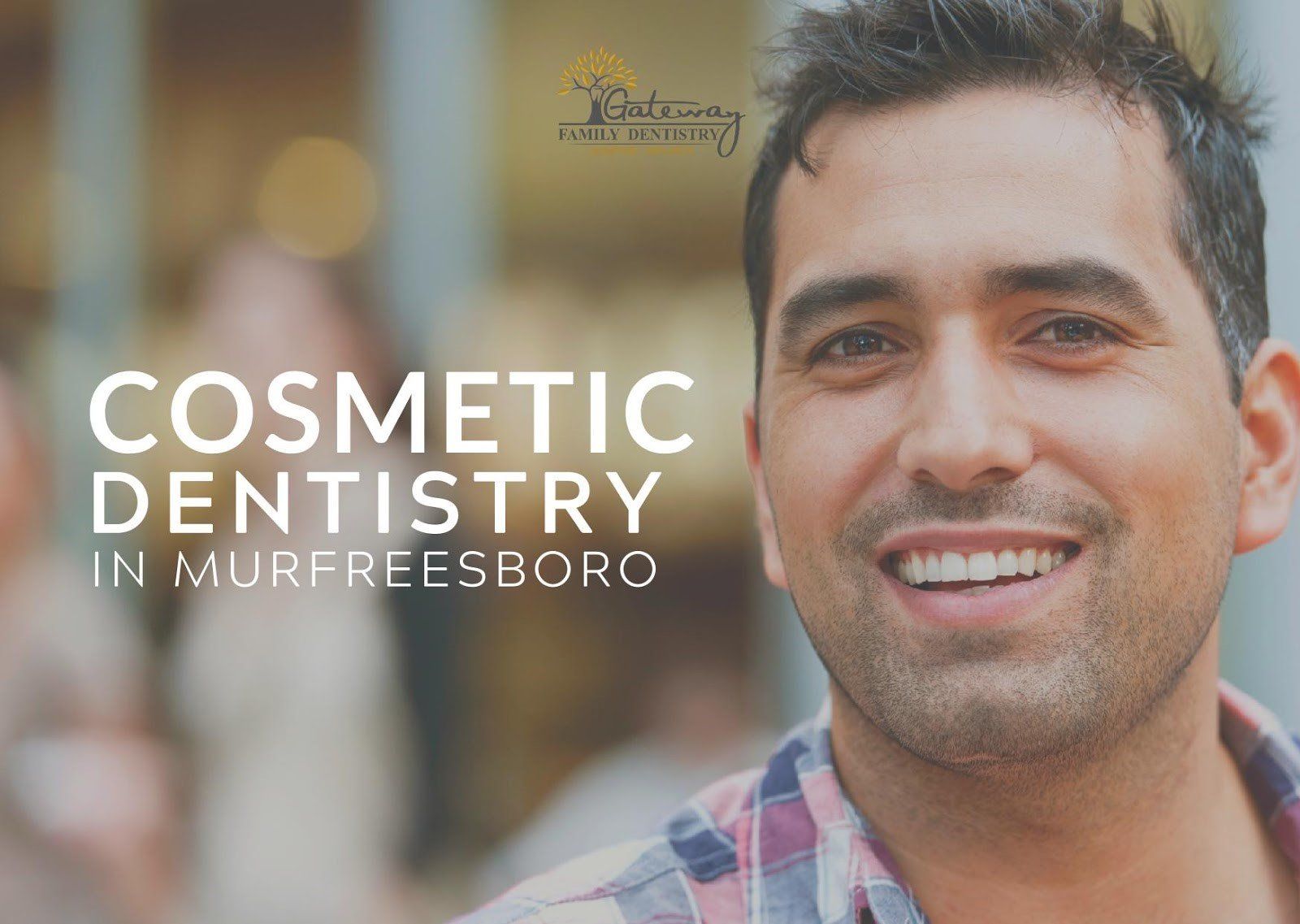
Cosmetic Dentistry Services with Dr. Rachel Erwin in Murfreesboro, TN
If you’re unhappy with the shape or color of your teeth, cosmetic dentistry can help you feel confident again.
Dr. Rachel Erwin and Dr. Amrita Patel at Gateway Family Dentistry in Murfreesboro specialize in a variety of cosmetic dentistry procedures to help their patients maintain healthy, beautiful smiles.
Murfreesboro Cosmetic Dentistry to Correct Tooth Loss or Damage
The dentists and dental team at Gateway Family Dentistry provide a number of tooth replacement options to help individuals with tooth loss improve their smiles.
Dental Implants.
A dental implant is a tooth replacement option that is most similar to a natural tooth. Dental implants are surgical titanium posts that are fitted into the jawbone and function similarly to a natural tooth root. The abutment at the top of the implant is fitted with a dental crown to restore the aesthetic appearance of the smile and provide structure for the remaining teeth.
Dental Crowns.
A dental crown is a cap that fits over a damaged, misshapen or stained natural truth. A dental crown looks similar to a natural tooth. Because it fits over a natural tooth, a crown provides protection for the tooth’s remaining structures. A dental crown can also provide an aesthetic improvement for natural teeth that are stained, chipped, misshapen or cracked.
Dental Bridges.
A dental bridge creates a bridge over a missing tooth using two or more connected crowns and a “pontic” tooth that fits into the gap.
Professional Dental Whitening
Dr. Erwin and Dr. Patel also provide professional dental whitening for people experiencing stubborn tooth stains that haven’t responded to other teeth whitening options.
Professional whitening
is different from over-the-counter whitening gels and strips. Professional whitening procedures are performed by dental professionals in a controlled clinic setting. This ensures that the whitening ingredients are strong enough to address to specific tooth staining of the individual patient.
Additionally, the whitening ingredients are applied by a dental professional. This prevents the ingredients from making contact with sensitive structures of the mouth, causing irritation and pain.
Professional whitening can address stubborn staining caused by medication usage, genetics, long-term coffee and wine staining and more.
Gateway Family Dentistry also provides take-home teeth whitening kits. Ask your dental care specialist about whitening options during your next appointment!
Cosmetic Veneers
Cosmetic veneers
are wafer-thin strips of material that are placed over natural teeth. Veneers can provide an aesthetic improvement for teeth that have staining, chips, cracks, or gaps. Veneers also provide protection for weak or damaged teeth that may chip or crack during eating or chewing.
For individuals who are unhappy with the shape or appearance of their teeth, cosmetic veneers can be a life-changing dental procedure. Porcelain is considered the very best material for veneers because it is stain-resistant and reflects light similarly to a natural tooth. However, composite resin is also used for a more affordable and accessible veneer material.
Dr. Erwin and her team are proud to provide custom cosmetic veneers at their Murfreesboro dental office. We offer porcelain and composite resin veneers to meet a variety of budgets and expectations.
If you’re unhappy with your smile, Dr. Rachel Erwin and her team at Gateway Family Dentistry in Murfreesboro are here to help.
Contact us today
to learn more about our cosmetic dentistry services and schedule your appointment with us.
Read More From Gateway Family Dentistry
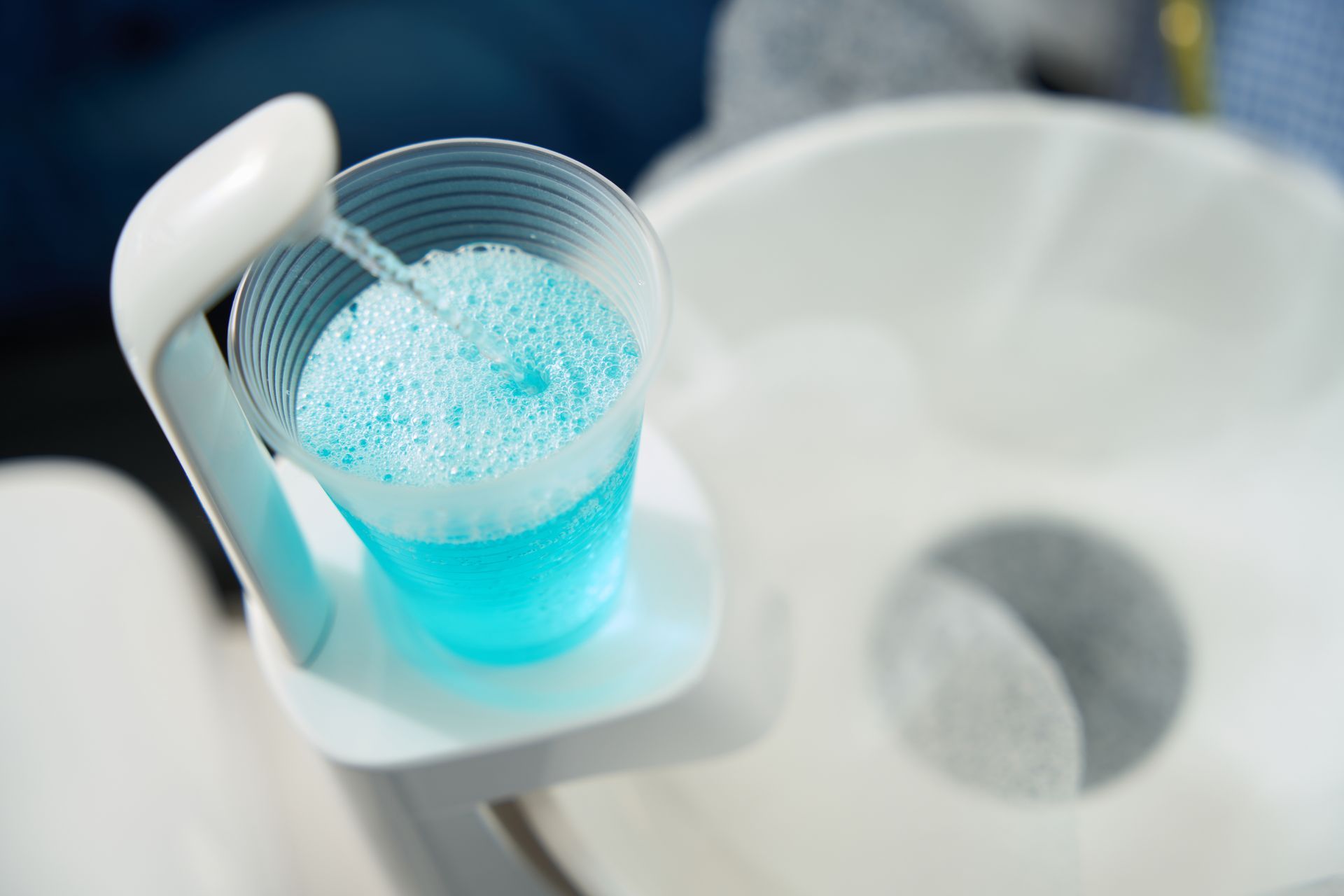
At Gateway Family Dentistry we know that the foundation of good oral health is good preventative care. With so many oral health products on the market it can be difficult to know whether nanohydroxyapatite or fluoride is the better option for protecting your teeth. Both can help to strengthen the enamel but they work in different ways and may be better suited to your individual dental requirements. Understanding the difference between nanohydroxyapatite and fluoride can help you to make an informed choice about your oral hygiene regimen and choose the one that's best for your own smile. What Is Nanohydroxyapatite? Nanohydroxyapatite (nHA) is a form of hydroxyapatite which is itself a mineral that is a major component of both tooth enamel and dentin. As it's very similar to the minerals that are naturally present in teeth it's used in some toothpastes to help with the remineralisation of enamel. Possible benefits of nanohydroxyapatite include: Helping replenish minerals on the tooth surface Supporting the repair of early enamel damage Helping reduce tooth sensitivity Smoothing the appearance of the tooth surface Nanohydroxyapatite toothpaste could be a good option for people wanting to help with enamel health and sensitivity as part of their normal oral hygiene. What Is Fluoride Treatment? Fluoride treatment is a proven method of preventing tooth decay. Fluoride is a naturally occurring mineral that helps strengthen tooth enamel and make it more resistant to acid from bacteria and sugars in our diet. Fluoride supports oral health by: Strengthening weakened enamel through remineralization Helping prevent cavities Making enamel more resistant to acid-related damage Supporting the repair of early tooth decay before a cavity develops Dentists may recommend fluoride toothpaste for regular use or professional fluoride treatments for patients who are at higher risk of developing cavities. Nanohydroxyapatite vs Fluoride: What's the difference? Although both of the ingredients can be beneficial for enamel they work in a different way. Nanohydroxyapatite helps to supply the mineral component which can then deposit onto the tooth surface to aid remineralisation and may help with sensitivity. Fluoride promotes remineralisation and helps to form a more acid resistant mineral structure in the enamel. Research confirms fluoride as a proven method of preventing tooth decay. Nanohydroxyapatite also appears to be effective, though the quantity and quality of the evidence varies from product to product and outcome to outcome. Neither option is necessarily the best for every individual. Your individual cavity risk, level of sensitivity, oral hygiene and your current dental situation will all have an effect on which is the most suitable option for you. Which Treatment Is Right for You? Choosing between nanohydroxyapatite and fluoride treatment is going to depend on your individual dental requirements. Fluoride can be particularly useful if you have a history of cavities, thin enamel or are at risk of tooth decay. Nanohydroxyapatite is something you may want to discuss if you're interested in enamel remineralisation or managing sensitivity. Some patients may well benefit from using certain products with their dentist's advice. Nanohydroxyapatite should not be viewed as a wholesale replacement for fluoride though, especially in the case of those at higher risk of decay. Your dentist can look at your teeth, go over your concerns and put together a preventive care plan that's appropriate for you. Protect Your Smile With Personalized Preventive Dental Care Both nano hydroxyapatite and fluoride can help keep your teeth healthy. Which one you choose will depend on your individual oral health goals and your personal risk factors. Knowing the benefits of each will help you make the right choice for your own dental care. At Gateway Family Dentistry, we're all about helping our patients keep their smiles healthy through preventative and restorative care. If you have any questions about nanohydroxyapatite versus fluoride treatment, we can help you decide which option may be best for you. Contact Gateway Family Dentistry to book an appointment then take the next step closer to a healthier, stronger smile.

We at Gateway Family Dentistry understand that a bright, confident smile can greatly affect how you feel. Since there are so many tooth whitening products and treatments on the market, it's often hard to tell which ones actually work and which might offer little or no benefit. Whether you choose whitening toothpaste or go for professional treatments, knowing what's available can help you pick a safe and effective method for brightening your smile. If you understand how teeth whitening works and what causes teeth to become discoloured, then you'll be in a better position to decide which treatment might be suitable for your smile. What Causes Tooth Discoloration? Teeth may become discolored for a number of reasons, with some stains forming on the surface of the teeth and others appearing deeper inside the tooth. Common causes of tooth discoloration include: • Coffee, tea, soda, and other dark-colored beverages • Certain foods • Tobacco use • Natural aging • Poor oral hygiene • Certain medications or dental conditions Whitening products can help with surface stains. Deeper discoloration might need professional treatment or another cosmetic dental option. Which teeth whitening methods actually work? There are a great many tooth whitening products on the market, such as toothpaste for whitening, over-the-counter whitening strips, whitening gels, and professional treatments. Although toothpaste that whitens can help get rid of certain surface stains, it usually has no effect on the natural color of your teeth. Similarly, over-the-counter whitening strips and other products can brighten your teeth to some extent, but results vary by product and the type of discoloration. Professional teeth whitening at the dentist may deliver more noticeable, predictable results; the dentist can study your smile and suggest a treatment that fits your needs. What methods are ineffective for whitening? It isn't the case that all teeth-whitening methods are safe or effective. Those home remedies which are promoted on the internet, for example those containing acidic ingredients or abrasive materials, could damage the enamel or cause gum irritation. Whitening agents will not whiten dental restorations such as crowns, veneers, or fillings. If you have visible restorations, your dentist can help you understand how whitening might affect the overall appearance of your smile. Overuse of whitening products may also lead to tooth sensitivity or irritate the gums. To prevent unnecessary issues, follow the product instructions and talk to your dentist. Is expert teeth whitening suitable for you? The best teeth whitening procedure depends on the condition of your teeth and the type of discoloration you have. Before any whitening, your dentist can check for cavities, gum issues, enamel problems, and other conditions that need to be addressed first. Professional whitening may be a good choice if you want a whiter smile with results customized to your needs. Brighten Your Smile With Professional Dental Care The secret to a brighter smile is knowing which methods actually work; while some over-the-counter products can reduce surface stains, professional teeth whitening offers a more customized way to achieve a noticeably brighter smile. We at Gateway Family Dentistry are committed to helping patients make informed choices about cosmetic and preventive dental care, and if you are thinking about teeth whitening, we can examine your smile and help you choose the best option. If you are eager to brighten your smile, contact Gateway Family Dentistry to schedule an appointment. We're here to help you achieve a healthy, positive smile.
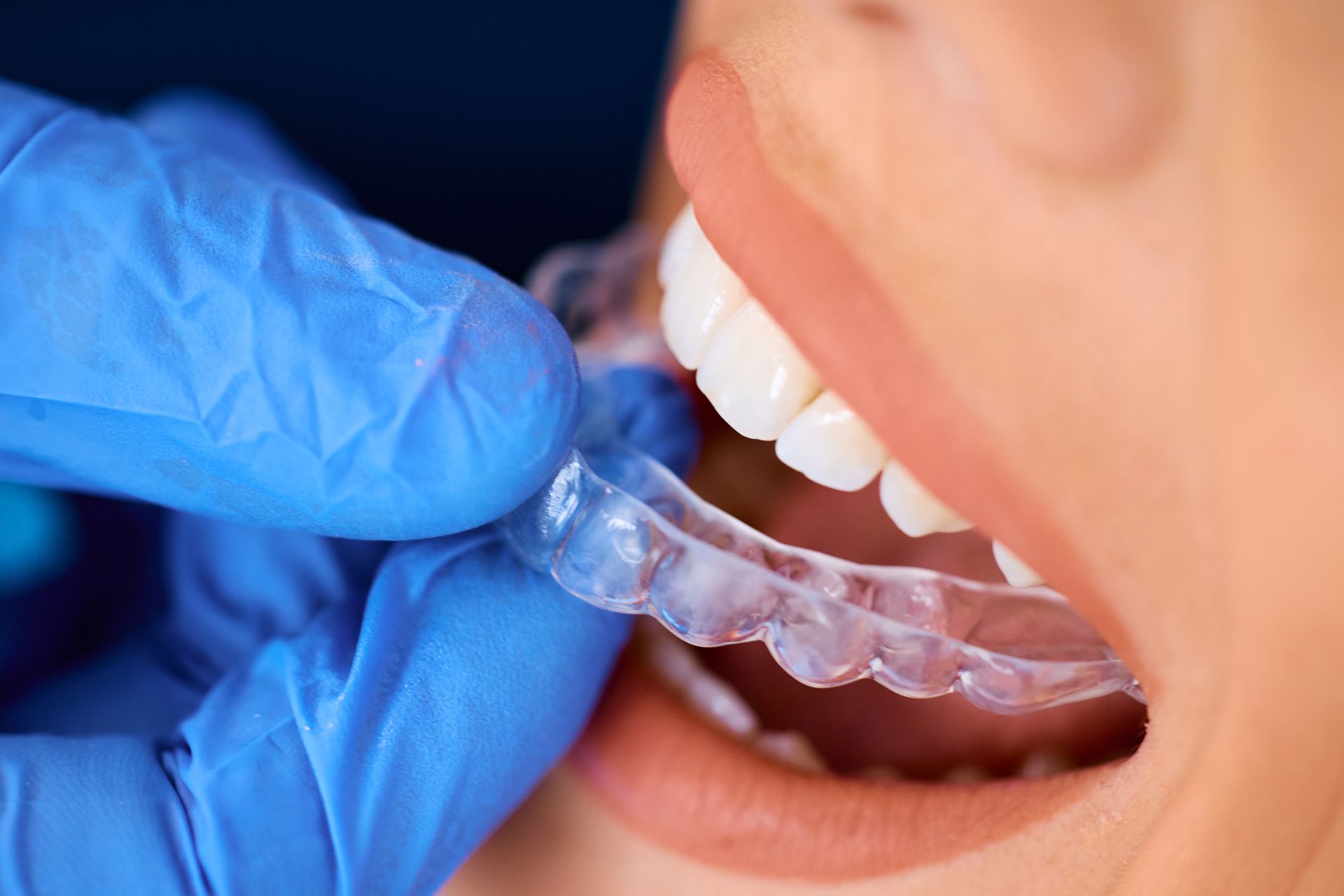
At Gateway Family Dentistry , we understand that protecting your teeth goes beyond brushing and flossing. Many patients grind or clench their teeth, especially while sleeping, without realizing it. Over time, teeth grinding , or bruxism, can cause tooth damage, jaw discomfort, headaches, and other oral health concerns. For some patients, a night guard can protect their smile. Detecting the signs of teeth grinding and how night guards work can help you decide when extra protection may benefit your oral health. What Is Teeth Grinding? Teeth grinding occurs when you clench or shift your teeth, often unconsciously. Some people grind during the day, but sleep-related grinding is especially common because you may not realize it. Occasional grinding may not cause problems, but frequent or intense grinding can put excessive pressure on your teeth and jaw. Stress, sleep habits, and other factors may contribute to bruxism. Signs You May Be Grinding Your Teeth Because teeth grinding often happens during sleep, many patients do not know they are doing it. Your dentist may notice signs during a routine dental examination. Common symptoms and warning signs can include: Worn, flattened, or chipped teeth Increased tooth sensitivity Jaw soreness or tightness Morning headaches Facial discomfort Tooth fractures or damage Tenderness when chewing Increased jaw tension If you often wake up with a sore jaw or notice changes in your teeth, talk with your dentist about whether teeth grinding is causing the problem. How Can a Night Guard Help? A night guard for teeth grinding is a protective retainer worn over the teeth while you sleep. It establishes a barrier between the upper and lower teeth, decreasing direct contact from clenching and grinding. Night guards shield each tooth from extensive grinding and may reduce some pressure on the jaw. They don't eliminate the cause of grinding, but they provide an important layer of protection. Do You Need a Night Guard? Not everyone who grinds their teeth needs a night guard. Your dentist can evaluate your teeth, gums, jaw, and symptoms to decide if one is appropriate. Your dentist has the technology to design a custom night guard that fits your mouth comfortably and securely. A well-fitted guard offers better comfort and protection than a generic one. If you already have signs of significant tooth wear, frequent jaw discomfort, or other bruxism-related symptoms, your dentist may recommend a night guard as part of your personalized oral health plan. Protect Your Smile With Regular Dental Care Teeth grinding can happen quietly, but its effects get noticeable over time. Regular dental visits let your dentist monitor your teeth for wear and catch problems early. At Gateway Family Dentistry , we are committed to helping patients protect their teeth through personalized preventive care and education. If you have jaw discomfort, tooth sensitivity, or other signs of teeth grinding, we can help find the best way to protect your smile. If you think you may be grinding your teeth at night or would like to learn whether a night guard is right for you, contact Gateway Family Dentistry to schedule an appointment. We are here to help you maintain a healthy, comfortable smile.