
Gateway Family Dental Blog

Dental Anxiety Solutions: Comfortable Visits to Gateway Family Dentistry
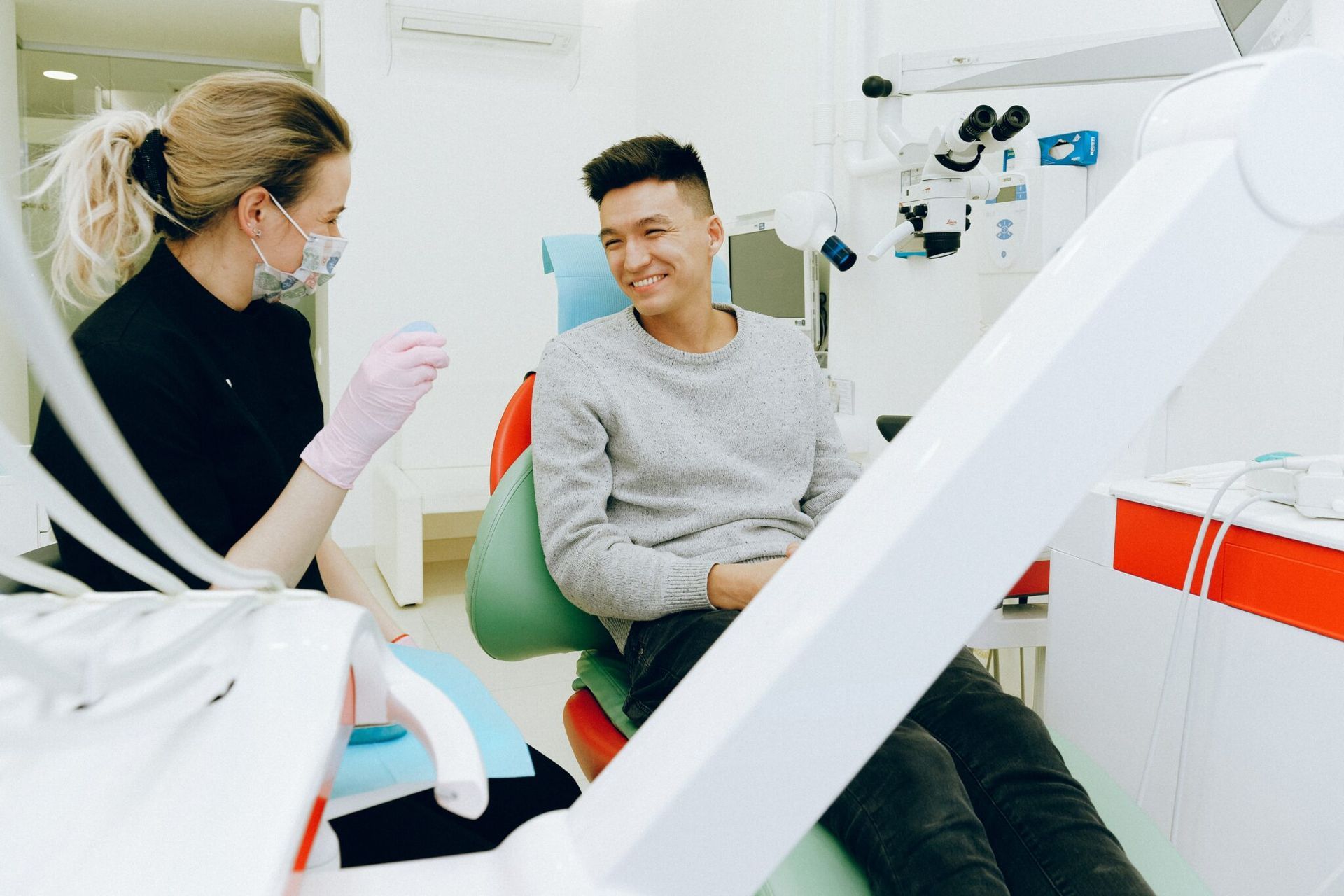
Stepping into a dental clinic can be daunting for many, including you. The sterile environment, unfamiliar sounds, and potential for discomfort can trigger feelings of anxiety and even phobia. This can lead to you completely avoiding checkups and treatments altogether.


Here are some tips to help you overcome this phobia and have a positive dental visit.


What Is Dental Anxiety?

Dental anxiety is a genuine and common fear associated with dental settings. It can manifest as feelings of fear, worry, or even panic attacks at the thought of a dental visit. Triggers can range from the sounds of drills and instruments to the perceived loss of control during procedures. Anxiety can be categorized based on several factors, including:

  • Generalized Anxiety: This is related to an underlying generalized anxiety disorder and causes distress in social situations and even simple tasks like going to work or school. People suffering from this can experience heightened fear or discomfort during dental visits.
  • Fear of Injections: This specific type may be triggered by the sight of needles or the fear of feeling a prick. This can be debilitating, as it can prevent people from receiving the pain management that they need during dental procedures.
  • Fear of Gagging: Individuals with this fear may feel a heightened sense of panic or discomfort when objects are placed in their mouths, leading to avoidance of necessary dental care.
  • Trauma-Induced Anxiety: Past traumatic dental experiences can lead to lasting fear of future visits. Even a single negative encounter, such as a painful procedure or insensitive treatment by a dentist, can impact a person's perception of dental care.


It’s important to note that anxiety and stress can affect your health. Because of this, it’s best to address your fears head-on and find ways to overcome them.


Tips to Overcome Phobia

If you experience dental anxiety, you're not alone. Many people share this fear, and there are steps you can take to manage it. Here are some of them:


Communicate

Don't hesitate to express your fears and concerns to your dentist. They are trained to handle anxious patients with care and can adjust their approach to make you feel more comfortable.


Start Small

If the thought of a complete dental procedure is overwhelming, consider scheduling a preliminary visit to familiarize yourself with the clinic environment. Gradually build up to more extensive treatments as you feel more at ease. You can use this time to build a strong rapport with the dentist and staff. This helps make the entire experience less intimidating.


Use Relaxation Techniques

Practice deep breathing, visualization, and other mindfulness techniques to calm your nerves. These simple steps can help reduce stress and anxiety before and during your appointment.


Seek Distraction

Bring headphones and listen to your favorite music or podcast during your appointment to distract your mind from anxious thoughts. Since some dental clinics offer TVs or virtual reality headsets to immerse patients, you can research and choose one that fits you.


Explore Sedation Options

In cases of severe anxiety, sedation dentistry may be a suitable option. Discuss with your dentist the possibility of using sedatives to help you relax during treatment.


Build Trust

Find a dentist whom you feel comfortable with and trust. You can slowly relieve your stress and make your visits more pleasant by building.


How Do We Help?

At Gateway Family Dentistry, we understand the complexities of dental anxiety and are committed to providing personalized care that addresses your individual needs. Here are some ways we provide a positive dental experience:

  • Patient-Centered Approach: We prioritize your comfort and well-being, taking the time to listen to your concerns and tailor our approach to meet your unique needs. From gentle numbing methods to minimally invasive procedures, we use advanced techniques to reduce discomfort during treatment. Our team will also explain each procedure and answer any questions you may have.
  • Comfortable Environment: We've designed our waiting room and treatment areas to be welcoming and relaxing. In addition, we use the latest dental technology to enhance your experience.
  • Pain Management: We offer various options to manage pain and increase your comfort. These options include topical anesthesia, nitrous oxide (laughing gas), or oral sedation. For patients with severe phobias, we also offer sedation dentistry. We can administer medication to help you relax and feel less anxious during your appointment.
  • Empowering Education: We believe that knowledge is key to overcoming anxiety. Our team educates all patients about their oral health and treatment options. This approach can help you make informed decisions and feel more confident about the procedure.


Dental anxiety doesn't have to hold you back from achieving optimal oral health.
Gateway Family Dentistry understands your concerns and is committed to providing a comfortable and positive dental experience. Contact us at 615-962-8505; we can help you overcome your fears and achieve a healthy smile.

Read More From Gateway Family Dentistry
July 31, 2026
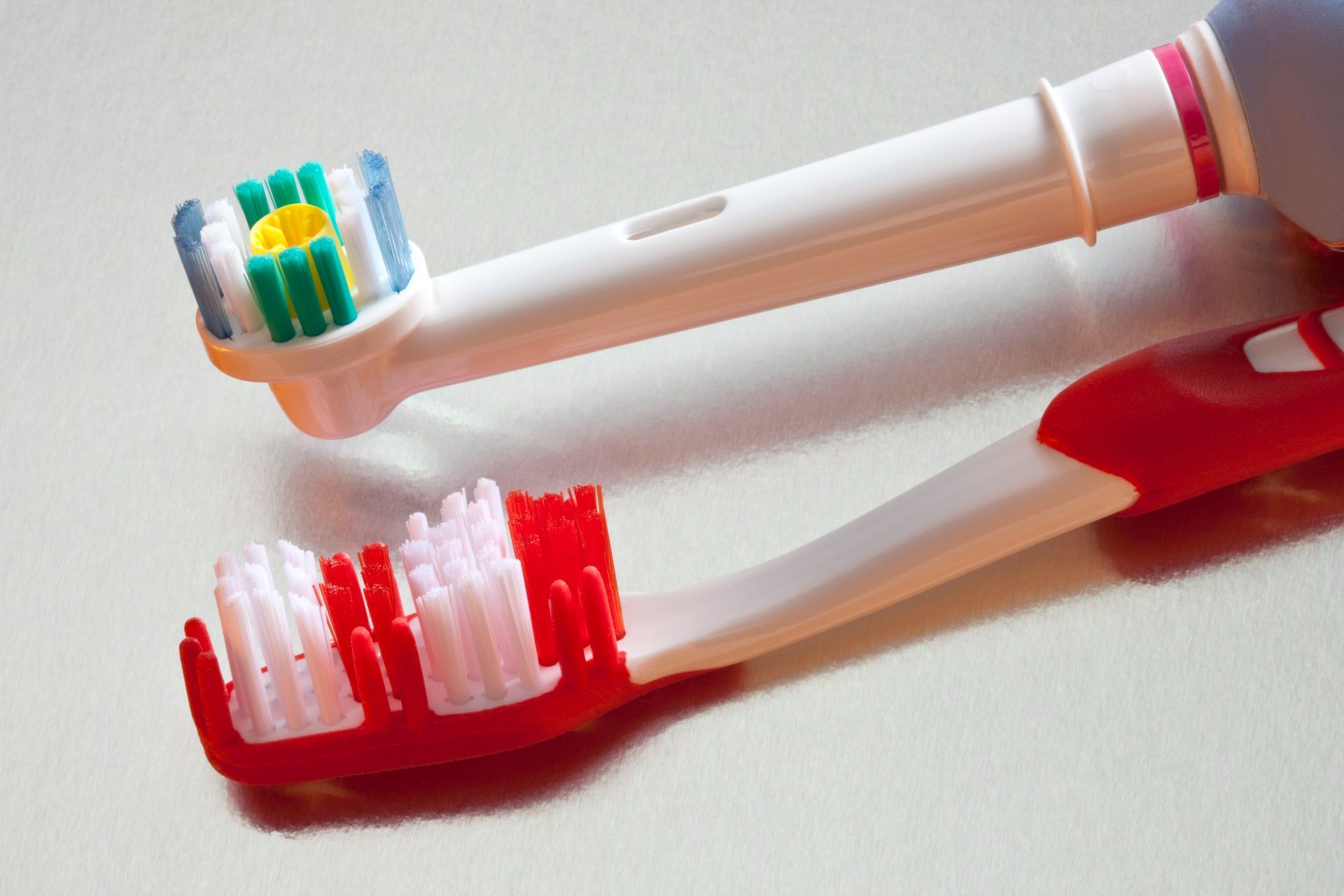
At Gateway Family Dentistry , we recognize that selecting the right toothbrush is essential for oral health. Many patients ask whether electric toothbrushes are better than manual ones. Both can clean teeth effectively when used correctly, but dentists often recommend electric toothbrushes for certain patients because they make brushing easier, more consistent, and more effective. Knowing the differences between electric and manual toothbrushes will help you choose the best option for your oral health. Electric vs. Manual Toothbrushes: What’s the Difference? Both electric and manual toothbrushes remove plaque, food particles, and bacteria. The main difference is how the brushing motion is generated. A manual toothbrush relies on your brushing technique, while an electric toothbrush uses powered movements, such as rotating, oscillating, or vibrating, to clean your teeth. For many, an electric toothbrush makes it easier to maintain proper brushing habits and reach areas that may be missed with a manual brush. Benefits of Using an Electric Toothbrush More Consistent Brushing Motion A key advantage of electric toothbrushes is their consistent brushing motion. Many people do not brush long enough or use proper technique with manual brushes. Electric toothbrushes provide steady movements that can improve plaque removal. Some models include built-in timers to help ensure you brush for the recommended two minutes, supporting healthy brushing habits. Helpful for People With Limited Mobility Electric toothbrushes are very helpful for those with limited hand, wrist, or arm mobility. The powered brush head reduces effort, making brushing easier for people with arthritis or other dexterity challenges. Improved Plaque Removal Research shows that some electric toothbrushes may remove more plaque and minimize the risk of gingivitis compared to manual brushes when used correctly. Regular plaque removal is important to stop oral health issues from happening. Pressure Control Features Many electric toothbrushes have pressure sensors that alert you if you brush too hard. Excessive pressure can irritate gums and wear down enamel. Pressure sensors help protect your teeth and encourage better brushing habits. Are Manual Toothbrushes Still Effective? Yes, a manual toothbrush can still clean effectively when used properly. The most important factors are your technique, brushing frequency, and reaching all areas of your mouth. When using a manual toothbrush, dentists recommend a soft-bristled brush and gentle circular motions. Avoid brushing too aggressively to protect your gums and enamel; focus on thorough, gentle cleaning. What Do Dentists Recommend? At Gateway Family Dentistry , we believe the best toothbrush is the one you use consistently and correctly. For those who struggle with technique, need extra help removing plaque, or possess specific oral health concerns, an electric toothbrush may be a good choice. A manual toothbrush can also be effective when combined with proper brushing habits and regular dental care. Your dentist can help you make the best choice based on your needs, goals, and lifestyle. Regular Dental Care Keeps Your Smile Healthy Whether you use an electric or manual toothbrush, daily brushing and flossing are essential for a healthy smile. Regular dental checkups and professional cleanings help remove buildup, prevent issues, and detect concerns early. At Gateway Family Dentistry , our team is devoted to helping patients keep up with healthy smiles through personalized preventive care and education. We are happy to answer your questions about toothbrushes, brushing techniques, and oral health protection. If you are due for a dental visit or would like customized advice on improving your oral hygiene, contact Gateway Family Dentistry to schedule an appointment. We are here to help you achieve a healthier smile. 
June 30, 2026
At Gateway Family Dentistry, we know that halitosis can impact your confidence and how you feel day to day. Occasional bad breath happens to everyone, but if it sticks around, it could point to a more serious oral health problem. Studying what causes bad breath and how to treat it can help you keep your breath fresh and your smile healthy. Common Causes of Bad Breath Bad breath can have many causes, from everyday habits to dental problems. Figuring out what’s behind it is the first step to finding the right solution. Poor Oral Hygiene Not brushing and flossing well enough is a major cause of bad breath. When food stays in your mouth, bacteria can grow and create bad smells. Plaque that builds up on your teeth and gums can also make bad breath stick around. Dry Mouth Saliva helps clean your mouth by washing away food and bacteria. If you don’t have enough saliva, bacteria can grow faster and cause bad breath. Dry mouth can occur while you sleep, from certain medicines, or due to certain health conditions. Gum Disease Persistent halitosis may point to gum disease. Bacteria under the gums produce toxins and odors that cause halitosis. Treating gum problems early can help keep your mouth healthy and your breath fresh. Certain Foods and Beverages Foods such as garlic, onions, and strong spices can cause temporary bad breath. Coffee and alcohol can also contribute to drying out your mouth. These smells usually go away, but good oral care can help reduce them. Ongoing mouth odor can increase the risk of gum disease, which may contribute to chronic bad breath. Quitting tobacco use benefits not only your breath but also your overall health. How to Treat Bad Breath The good news is that most bad breath can get better with good oral care and healthy habits. Brush and Floss Daily Brushing your teeth twice a day and flossing daily removes plaque that causes bad smells. Don’t forget to brush your tongue, since bacteria often build up there. Maintaining water intake throughout the day helps maintain saliva secretion and washes away bacteria. Maintaining hydration is especially important for individuals who experience dry mouth. Schedule Regular Dental Checkups Routine dental checkups and cleanings help prevent bad breath. Dentists can get rid of bacterial buildup that brushing can’t reach and spot signs of gum disease or other problems that may be causing halitosis. Antibacterial mouthwashes can briefly reduce bacteria and freshen breath. However, antibacterial mouthwashes can help reduce bacteria and freshen your breath temporarily. But remember, they should be used in addition to regular brushing and flossing, not instead of them. If your oral hygiene is poor, it may be time to visit your dentist. Chronic halitosis can sometimes be linked to gum disease, tooth decay, dry mouth, or other medical concerns that require specialist assessment. At Gateway Family Dentistry, we’re here to help you keep your smile healthy and confident with preventive care and helpful advice. Seeing us regularly lets us catch problems early and give you tips that fit your long-term oral health needs. If you’re dealing with persistent bad breath or need a dental checkup, give our office a call to schedule an appointment. We’re here to help you get fresher breath and a healthier smile.
How Diet Affects Your Teeth: Foods That Help and Harm Your Smile
May 31, 2026
At Gateway Family Dentistry, we know maintaining a healthy smile involves more than brushing and flossing. The foods and drinks you consume daily play a major role in your oral health.
Show More